
Counseling Programs offered at University of Texas – Austin
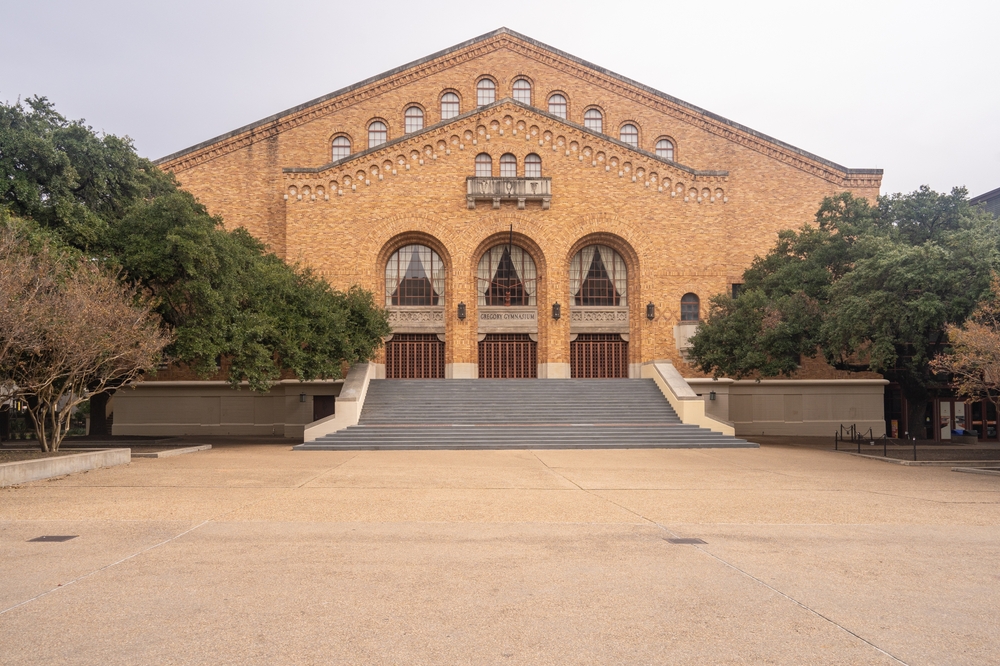
UT Austin leads the oldest and largest university system in Texas. This 140-year-old institution has grown into a major educational force since the late 19th and early 20th centuries. Local leaders’ generous land and monetary donations made this growth possible. UT Austin now serves more than 50,000 students, with over 38,000 undergraduates and 12,000 graduate students.
The university holds strong national rankings. Forbes rates it as the 76th best college, while U.S. News & World Report places it at 53rd, and Washington Monthly ranks it 20th. It is the seventh best public university in the United States. The global rankings show similar excellence. QS places UT Austin at 79th worldwide, and both Times and ARWU consider it among the top 30 global institutions.
The Counseling and Mental Health Center (CMHC) leads the university’s mental health efforts. This AAAHC-accredited facility provides detailed support through assessment, referral services, group and short-term individual counseling, psychiatry, and well-being programs. Licensed professionals from mental health fields work at the center, including counselors, psychiatrists, psychologists, and social workers.
UT Austin’s counseling programs put strong emphasis on education, psychology, and counselor preparation. The Counselor Education master’s degree program (M.Ed.) meets the growing need for counselors in educational, health, and community settings. Graduates often work in higher education as advisers and career counselors. Some pursue doctoral studies in counseling or related fields, while others become Licensed Professional Counselors.
Counseling program graduates have bright career prospects. The Bureau of Labor Statistics expects 17% growth in mental health counseling through 2034. Marriage and family therapists should see 14% growth, and school and career counselors 10% growth.
The programs focus on key areas that shape successful counselors. Students learn professional identity development, multicultural competence, and evidence-based prevention and intervention. They master career assessment, helping skills, group counseling, assessment principles, and research methods. Students and faculty create a learning community that advances counseling by following American Counseling Association professional standards.
What counseling programs does University of Texas-Austin offer?
UT Austin meets the growing need for mental health professionals through its counseling and psychology programs. Students can choose between two main paths – a Master’s Degree in Clinical Psychology and a Doctorate Degree in Clinical Psychology.
45 students received their master’s degree in clinical psychology from UT Austin during the 2022 academic year. This number places the university as the 114th most popular school for clinical psychology master’s degree candidates nationwide. The university also awarded 26 doctorate degrees that year.
UT Austin’s master’s program graduates do well financially. Their median salary reaches $53,235. So these graduates earn more than the national median of $51,772 for clinical psychology master’s degree holders.
The program holds the #78 spot in Clinical, Counseling & Applied Psychology majors nationwide. This ranking makes it a solid choice among other programs across the country.
The clinical psychology programs at UT Austin show impressive diversity numbers. Recent data shows the gender split in master’s degrees was 17% men and 83% women. The graduates’ ethnic backgrounds paint a diverse picture:
- 23 White students
- 10 Hispanic or Latino students
- 7 Non-Resident Aliens
- 4 students from other races
- 3 Black or African American students
- 1 Asian student
These numbers highlight UT Austin’s dedication to creating an inclusive environment for counseling and psychology students.
The programs prepare students to work in schools, healthcare facilities, and community organizations. With strong academic standards, diverse classrooms, and good career prospects, UT Austin’s counseling programs are a great choice for future mental health professionals in Texas and beyond.
Internships/Practicum at UT-Austin
Practical experience serves as the substance of UT Austin’s counseling education through its detailed internship and practicum opportunities. The Counseling and Mental Health Center (CMHC) provides a 2-semester advanced practicum experience. Students train in an ever-changing university counseling environment and work with multidisciplinary professional staff.
The CMHC practicum program features three distinct tracks. Students in the Counseling Practicum must commit to 13.5 hours weekly. This includes 8 hours of direct clinical services, 2 hours of individual supervision, and 1.5 hours of seminar participation. The CARE (Counselors in Academic Residence) track embeds students with counselors within academic schools and colleges, requiring 14 hours weekly. Students gain experience with health psychology-focused interventions in a medical setting through the Integrated Health track, which blends CMHC and University Health Services.
The “Use of Self” model strengthens the foundation of all practicum experiences. Students learn to explore personal qualities that shape therapeutic relationships. This training approach recognizes self-awareness and personal exploration as vital components of professional growth.
Students must meet specific requirements to join these programs. They need enrollment in UT Austin’s doctoral program in counseling or clinical psychology, completion of two semesters of graduate clinical practicum, and dedication to culturally-informed healthcare.
The CMHC Psychology Internship Program holds special recognition as the first university counseling center-based internship program accredited by the American Psychological Association (APA). The program has maintained continuous accreditation for over 50 years. Doctoral candidates receive preparation to transition successfully from graduate students to early-career professionals.
UT Austin demonstrates its steadfast dedication to developing competent mental health professionals through these training opportunities. Students bridge the gap between theoretical knowledge and clinical application through supervised practical experience.
What sets UT-Austin apart?
UT Austin’s counseling programs excel in many ways. The M.Ed. in Counselor Education ranks among the nation’s best programs and is one of Texas’s top Masters programs in Counseling. This aligns with the university’s overall academic reputation – Forbes ranks UT Austin as the 76th best college, U.S. News & World Report places it at 53rd, and Washington Monthly positions it at 20th.
The College of Education holds an impressive No. 6 national ranking. The Counseling Psychology doctoral program has another notable achievement – it’s one of America’s longest-running APA-accredited Counseling Psychology programs. The program’s next re-accreditation visit will take place in 2033.
Exceptional faculty members drive these accomplishments. The university boasts more than 1,000 privately funded endowed faculty positions, and about 100 professors receive teaching excellence awards each year. These educators have earned prestigious honors, including Nobel and Pulitzer prizes.
The faculty creates a nurturing mentoring environment with proven methods. UT Austin’s mentorship aligns with APA’s definition – a dynamic, reciprocal personal relationship. This provides students a safe space to explore themselves and transform their professional identity.
Cultural competence remains a core focus of these programs. Students learn to identify their cultural backgrounds and biases, along with ways to tackle unfairness in educational settings. The faculty shows steadfast dedication to honoring cultural identities and fostering a sense of belonging.
The real value shows in career outcomes. The Texas Workforce Commission predicts counseling jobs will grow 22% by 2030. UT Austin graduates find jobs quickly. Many choose different career paths, working as Rehabilitation Specialists or Family Support Workers, and make lasting impacts in their communities.
Next steps
The application process for UT Austin’s counseling programs demands careful planning and timely submission. You should complete your application well ahead of deadlines since the whole process can take several weeks. The university’s system typically needs up to 72 hours to process submitted applications.
Your MyStatus account serves as the primary tool to track your application progress. This portal shows which materials have arrived and what remains outstanding.
Students pursuing practicum tracks at the Counseling and Mental Health Center (CMHC) must submit these materials:
- A current resume/vita
- The CMHC Practicum application form
- Names of at least two mental health professionals or professors who can serve as references
Take time to review each program option based on your career goals before making your final choice. Clinical practice-focused students might find certain specializations more beneficial than others.
Texas’s counseling careers show promising growth, with mental health counseling positions expected to grow 17% through 2034. This robust outlook means graduates can find excellent opportunities in organizations of all types—from schools and community agencies to hospitals and private practices.
The Graduate Admissions office provides support if you need help with your application.