
University of Texas at Tyler Counseling Programs
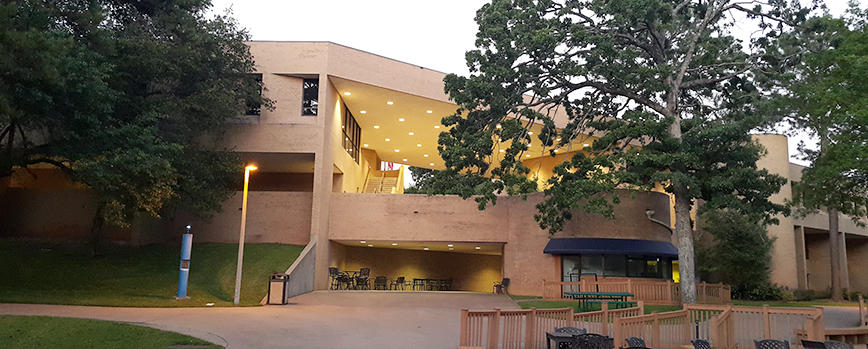
UT Tyler’s Department of Psychology and Counseling offers outstanding counseling programs that prepare students for rewarding careers. You can choose from various educational paths that lead to meaningful work in counseling and psychology fields.
Students begin their journey with a Bachelor of Science or Bachelor of Arts in Psychology. These programs build a strong foundation of psychological principles and prepare you for graduate studies.
UT Tyler’s graduate programs include several specialized options:
- D. in Clinical Psychology
- Master of Science in Clinical Psychology (with subplans in General Clinical and Neuropsychology)
- Master of Arts in Clinical Mental Health Counseling (CMHC)
- Master of Arts in School Counseling
The CMHC program equips you to help people dealing with psychological challenges. These challenges stem from developmental, educational, career, cognitive, emotional, behavioral, cultural, relational, or environmental issues. This CACREP-accredited program requires 60 credit hours of graduate coursework. Graduates can qualify for Licensed Professional Counselor credentials after meeting post-graduation requirements.
The Master of Arts in School Counseling program shapes skilled, creative, and culturally aware school counselors. These professionals excel in counseling, consulting, and leadership roles. The program meets Texas School Counselor standards and American School Counselor Association guidelines. It satisfies all counselor certification requirements set by the Texas State Board of Educator Certification.
UT Tyler’s partnership with TimelyCare gives students access to online mental health counseling, health coaching, psychiatry services, and self-help resources. These services are available 24/7 to all students whatever their location. This collaboration shows the university’s dedication to student well-being while ensuring confidential and continuous care.
Expert educators with unique experience from prominent institutions like Alaska Psychological Associates, Houston Galveston Institute, and Garland Psychological Center lead these programs. Small classes let you connect with professors who are published authors in their fields.
What counseling programs does University of Texas at Tyler offer?
UT Tyler’s graduate programs provide strong counseling education that prepares you for different career paths in mental health services.
The Master of Arts in Clinical Mental Health Counseling (CMHC) is a CACREP-accredited program that needs 60 credit hours of graduate coursework. You’ll learn to help people dealing with psychological distress from many sources like developmental, educational, emotional, behavioral, or environmental problems. The program combines theory and hands-on skills through three main parts:
- Core courses covering counseling theories and processes
- Practical skills development classes
- 600 supervised hours working with actual clients in community settings
You start hands-on training on day one. The program requires 100 hours of clinical skills training before you can work with clients. After graduation, you’ll meet the requirements to start the Licensed Professional Counselor licensure process in Texas and many other states.
The Master of Arts in School Counseling is a 48-credit hour program that builds your counseling tools, cultural sensitivity, and leadership skills for schools. The program matches Texas School Counselor standards and American School Counselor Association guidelines. This helps you prepare for the School Counselor TExES certification exam. You’ll get supervised experience in schools through a three-part fieldwork program. The program works well – UT Tyler has a 100% pass rate on certification exams.
If you’re interested in clinical psychology, UT Tyler has a Ph.D. in Clinical Psychology and a Master of Science in Clinical Psychology. You can choose between General Clinical and Neuropsychology subplans. These programs help you master diagnosis, assessment, evidence-based techniques, group processes, and human development.
Small class sizes let you interact closely with faculty who are experienced practitioners, skilled teachers, and published researchers. This creates an environment where you get personal attention while developing your counseling identity.
Internships/Practicum at UT Tyler
Hands-on experience is essential to counseling education at UT Tyler. Your program includes structured internships and practicums that connect classroom theory with real-life applications.
Students in the School Counseling MA program can apply their skills in actual school environments through supervised internships. Direct services you’ll provide include:
- Intake interviews and individual counseling
- Group counseling and activities
- Parent meetings and career guidance
- Classroom functions
Clinical Mental Health Counseling students must complete a minimum of 100 clock hours, including at least 40 client contact hours. Weekly small group and individual supervision sessions help refine your techniques through video recorded client sessions.
The CMHC program puts experiential learning first. Students complete 100 hours of hands-on clinical skills training before moving on to 600 supervised hours with real clients in community settings of all types. This training helps you develop your professional counselor identity, build assessment skills, and work effectively with clients from different backgrounds.
Graduate students in their final semesters can get great experience through internships at the Student Counseling Center. Students who have earned a B or better in PSYC or COUN 5393 and are enrolled in a Supervised Practicum or Internship course can apply for these positions. The positions are unpaid but are a great way to get experience.
UT Tyler’s doctoral-level Psychology Internship Program provides a 2,000 hour, one-year experience that focuses on the connection between psychology and medicine. Students train in an academic health center and cooperate with physicians, nurses, and other healthcare professionals.
The undergraduate internship program has grown significantly over the last several years. What started with just a few students in 2021 now has about 25 participants each semester. Students complete 150 service hours plus academic work through partnerships with community organizations like the Andrews Center, Community HealthCore, and East Texas Crisis Center.
What sets University of Texas at Tyler apart?
The University of Texas at Tyler’s counseling programs offer unique advantages that set them apart from other Texas schools. The small faculty-to-student ratio means you’ll get personal attention throughout your studies. You won’t feel like just another face in the crowd – professors will know your name and understand what you want to achieve professionally.
UT Tyler prepares you for real-life challenges, not just theory. Students practice in modern counseling facilities and develop their skills with expert guidance. This hands-on experience proves invaluable.
The program’s deep community connections add another dimension to your education. The psychology and counseling department’s strong ties with local mental health agencies, schools, and healthcare facilities create opportunities for clinical training and future employment.
Students can shape their education to match their career goals while meeting licensure requirements. The program’s cohort-based structure lets you learn and grow with peers who share your challenges. This creates a supportive community that enhances everyone’s learning experience.
UT Tyler’s student success team provides detailed exam preparation, licensure guidance, and help with job placement. This support extends beyond graduation and helps you transition smoothly into professional practice.
Next steps
Want to start your counseling career at UT Tyler? Here’s what you need to know about program deadlines and requirements.
The Clinical Mental Health Counseling program accepts applications until March 1 for fall admission and October 1 for spring admission. You’ll need to submit your online graduate application first. Then provide your official transcripts, a department information sheet with statement of purpose, and three recommendation letters. You must also complete a background check through Castle Branch with a $45.00 fee.
For School Counseling programs, applications for the May cohort start in September. The deadline is February 20. Submit all materials by March 1, and you’ll receive admission decisions by March 31. You need a minimum 2.75 GPA from your overall studies or last 60 hours.
CMHC program graduates can apply to become Licensed Professional Counselors in Texas. This requires passing the National Counselor Examination and completing 3000 supervised practice hours. School Counseling graduates must pass the TExES exam for certification.
Students from other states should know that Texas certification needs internships within Texas or at Department of Defense schools. The out-of-state tuition rates are higher than in-state rates.
Texas HB1508 requires future school counselors to pass a criminal history check. You can ask for a criminal history evaluation letter from the Texas Education Agency before starting the program.