
Counseling Programs offered at University of Texas at El Paso
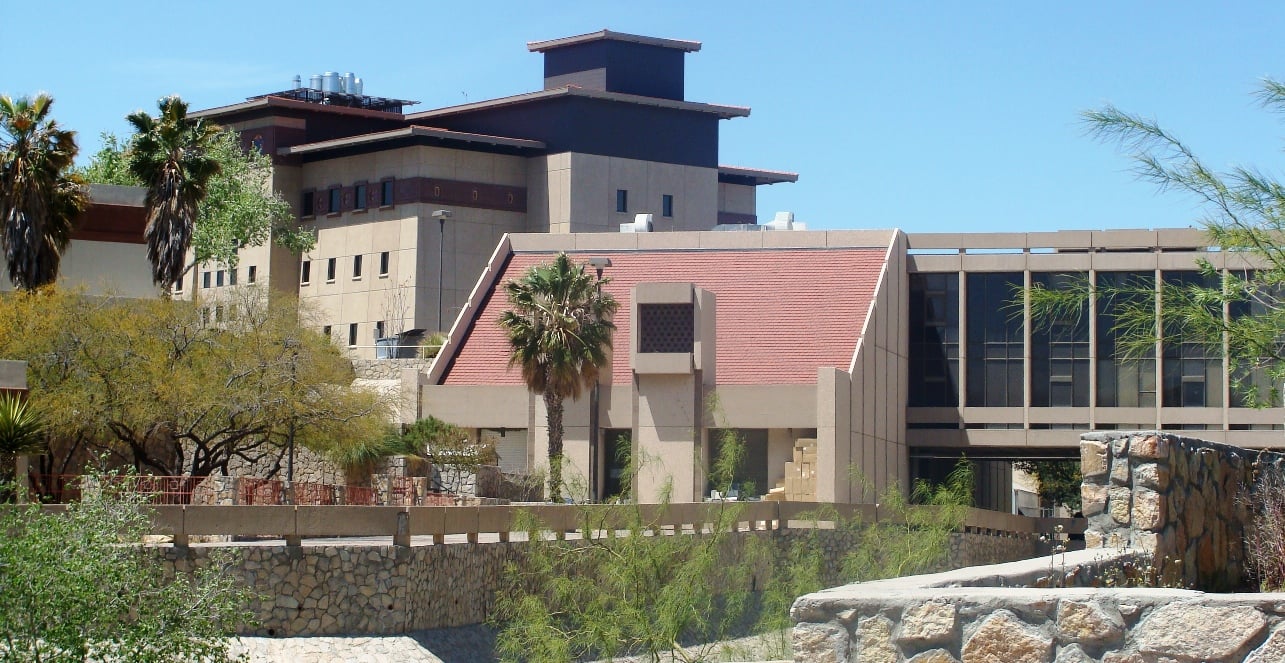
UTEP’s Department of Counseling and Special Education is the foundation of its College of Education. Students can develop their professional skills in mental health, school counseling, and related fields here.
The department takes pride in its detailed graduate and undergraduate programs. Faculty members are student-focused and prominent experts in their fields. These instructors blend theoretical knowledge with hands-on experience in their classrooms.
Graduate students at UTEP can choose from several specialized master’s degree programs in counseling disciplines. The Mental Health Counseling program helps students become licensed professional counselors (LPCs) who serve in agencies, community settings, or private practices. This program earned accreditation from the Council for Accreditation of Counseling and Related Programs (CACREP) and meets Texas LPC licensure requirements. The curriculum has specialized courses in play therapy, addictions counseling, couples counseling, and neuroscience in counseling.
On top of that, the School Counseling program prepares future elementary or secondary school counselors. The program meets Texas requirements for school counselor certification and LPC licensure. Students who want to pursue rehabilitation counseling can enroll in the Master of Rehabilitation Counseling program to become Certified Rehabilitation Counselors (CRC).
The department’s scope extends beyond counseling. Master’s programs in Special Education offer specializations in High Incidence Disabilities and Low Incidence Disabilities. Students can also pursue an Education Diagnostician program.
Undergraduate students have the option to earn their special education certification.
The Union West building houses the department’s counseling services. The Counseling and Psychological Services office serves both students and community members. Faculty members help students reach their educational goals and build essential skills for successful counseling careers.
The school works hard to meet the growing just need for mental health professionals, especially when you have underserved communities. This focus makes its graduates highly sought-after in the field.
What counseling programs does University of Texas at El Paso offer?
UTEP’s College of Education provides several specialized counseling programs that prepare students for different career paths in the mental health profession.
The Master of Science in Mental Health Counseling program requires 60 credit hours and meets Texas’s requirements for Licensed Professional Counselor (LPC) certification. This CACREP-accredited program helps graduates work in mental health centers, family counseling centers, social service agencies, psychiatric hospitals, and private practice. Students learn foundational courses in human growth and development, counseling theories, and ethical issues. The program also offers specialized courses in play therapy, addictions counseling, couples counseling, and neuroscience.
The Master of Education in School Counseling program helps students become elementary or secondary school counselors. Students who complete this program meet Texas’s specifications for school counselor certification and fulfill academic requirements for LPC licensure.
The Master of Rehabilitation Counseling program gives students specialized knowledge and skills to serve as rehabilitation counselors. Students learn to promote community inclusion, employment, independent living, and quality of life for people with disabilities in integrated settings. The program prepares graduates to become Certified Rehabilitation Counselors (CRC) and meet Texas’s academic requirements for LPC licensure.
The Psychology Department’s Clinical M.A. program offers a Licensed Professional Counselor field of study that requires 63 credit hours. Students take psychology courses combined with counseling education courses to become licensed by the Texas State Board of Examiners of Professional Counselors.
Most programs use face-to-face instruction or hybrid formats that blend in-person teaching with online assignments. The mental health counseling program’s student body stands out for its diversity. Racial-ethnic minorities made up 88% of degree recipients in recent years, surpassing the national average by 54%.
Graduates from these programs are in high demand because of the shortage of certified mental health professionals. Their CACREP accreditation boosts their competitiveness in the field.
Internships/Practicum at University of Texas at El Paso
Students at the University of Texas at El Paso get hands-on training as a key part of their counseling education. Each program gives students structured field experience to build their professional skills.
The Mental Health Counseling program needs at least 100 hours of practicum work. Students must complete a 600-hour internship split between two 300-hour semesters. They need to finish 40 direct service hours during practicum and 240 direct client contact hours in their internship semesters. This helps students become skilled at individual and group counseling with close supervision.
School Counseling students follow a structured path through EDPC 5369 (Practicum), EDPC 5376 (Internship I), and EDPC 5377 (Internship II). The Texas Education Code requires students to pass a background check before starting these experiences.
The University’s Advanced Practicum Training Program at Counseling and Psychological Services helps masters and doctoral students in counseling, social work, and psychology programs. Students must work 16-20 hours weekly. Master’s students need 50 client contact hours while doctoral students need 60. The program uses a Scholar Practitioner model to teach individual, couples, and group counseling among other skills like triage and intake interviewing.
Social work students spend much of their time helping people in community agencies. They work with real clients under professional supervision while applying what they learned in class.
Students get both individual supervision at their sites (1 hour weekly) and group supervision on campus (1.5 hours weekly). This quality supervision helps graduates land jobs – many students end up working at their internship sites after graduation.
UTEP Counseling Center offers extra internship spots through the El Paso Psychology Internship Consortium (EPPIC). This creates more opportunities for advanced practical training.
What sets University of Texas at El Paso apart?
The University of Texas at El Paso’s counseling programs stand out from other institutions nationwide for several compelling reasons.
UTEP holds a unique position as America’s only open-access R1 research university. This environment lets students excel in research while keeping education accessible. The prestigious research status gives counseling students excellent chances to work on meaningful projects that benefit their community.
The program boasts remarkable diversity numbers. Their mental health counseling master’s program graduates are 95% racial-ethnic minorities—exceeding the national average by 60%. Recent graduation statistics show 18 Hispanic or Latino students, one Black or African American student, and one White student. These numbers reflect the program’s steadfast dedication to training counselors who mirror their communities.
The Mental Health Counseling program takes a different approach from typical graduate programs. Students don’t need GRE scores to apply, which removes a common obstacle. Classes run mainly face-to-face and start after 5 PM, which works well for professionals advancing their careers.
The counseling faculty conducts substantial research projects locally and internationally. They work together with Universidad Autónoma de Ciudad Juárez to study gender-biased attitudes in domestic violence cases. Their research also covers clinical supervision practices and helps college students with disabilities develop self-advocacy skills.
The program’s CACREP accreditation makes graduates more competitive, especially with the current shortage of certified professionals. This credential meets Texas LPC licensure requirements, and many students end up working at their internship locations.
UTEP’s location near the border creates valuable opportunities for cross-cultural research and training to address Hispanic communities’ health disparities. Students come from various backgrounds and work experiences, preparing them to meet the mental health needs of our multicultural society.
Next steps
Prospective students must submit their applications by specific deadlines when they choose to pursue a counseling degree at the University of Texas at El Paso. The Mental Health Counseling program accepts applications during Fall semester with a May 15 deadline and Spring semester with an October 15 deadline. Students receive notification letters about their acceptance status once the admission process concludes.
The program requires all students to clear a background check before they can complete their practicum and internship requirements. Admitted students should schedule a meeting with the Financial Aid Department quickly to discuss their options, particularly if they need leveling courses. The FAFSA application process starts with submitting the form using the school code: 003661.
UTEP’s unique status as a no-loan school means students receive grants and scholarships instead of traditional federal loans in their aid packages. The university’s commitment to affordability shows in its statistics – 66% of UTEP’s students receive Pell Grants. Students who need help with financial aid forms can join the bilingual information sessions that run through December.
Graduates of the program meet Texas’s requirements to become Licensed Professional Counselors. The job market looks promising, and many students find employment at their internship locations. Career opportunities exist in hospitals, nonprofit agencies, private practices, and outpatient mental health clinics.
International applicants should connect with UTEP’s Office of International Programs to learn about visa requirements.