
University of North Texas at Dallas Counseling Degrees
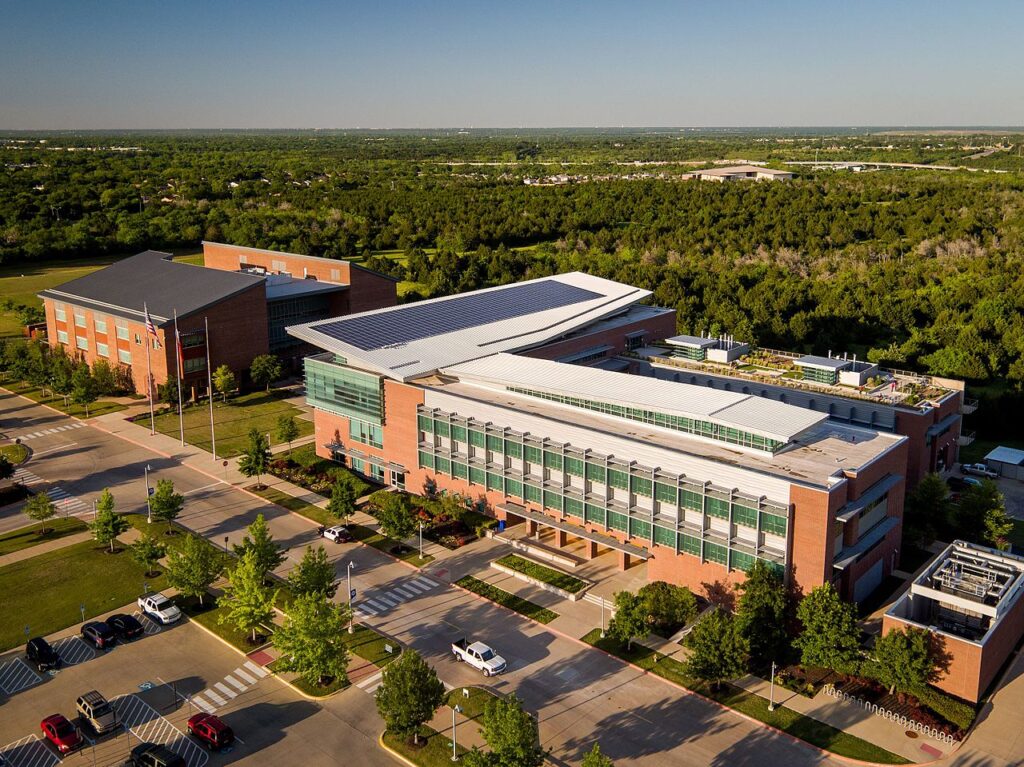
UNT Dallas Counseling Program leads the way in training skilled mental health professionals. Students become responsive counselors through a combination of education, research, and service. This approach prepares competent counseling professionals who can work in agencies, schools, and community settings of all types.
The Master of Science degree in Clinical Mental Health Counseling sits at the heart of UNT Dallas’ academic offerings. This complete 60-hour track gives you the specialized skills needed for counseling in mental health centers, private counseling agencies, drug abuse treatment centers, centers for counseling older adults, and family counseling centers. The university also offers a Master of Science in Clinical School Counseling if you have plans to become certified School Counselors in Texas.
The Clinical Mental Health Counseling program has earned accreditation from the Council for Accreditation of Counseling and Related Educational Programs (CACREP). This recognition shows its steadfast dedication to high educational standards. Such prestigious accreditation will give a quality standard recognized nationwide in the counseling profession.
Students who complete the Clinical Mental Health Counseling program meet all educational requirements for the Texas State License in Professional Counseling. Full licensure requires more steps after graduation. You need to pass the national counseling examination and get 3,000 clock hours of supervised clinical experience. Graduates can apply as Licensed Professional Counselor – Associates with the Texas Behavioral Health Executive Council.
The program uses a flexible hybrid learning model that fits different learning priorities. Classes mix face-to-face sessions with online components, while some run fully online. This setup offers flexibility without compromising educational quality. Students should know they can’t complete the entire program remotely.
UNT Dallas creates, applies, and spreads knowledge through innovative research to improve wellbeing across different populations and settings. The program aims to gain recognition locally, statewide, regionally, nationally, and internationally. It builds a collaborative community known for excellent research, education, and service that benefits both the counseling profession and the public.
The UNT Dallas Counseling Program offers a strong foundation to strengthen others through advocacy and promote wellness in the counseling field.
What counseling programs does University of North Texas at Dallas offer?
UNT Dallas has two main graduate counseling programs that prepare students for professional careers in mental health and school settings.
The Master of Science in Clinical Mental Health Counseling features a 60-credit hour curriculum designed for students interested in working in clinical settings of all types. Students learn to counsel clients who face challenges ranging from daily life adjustments to serious mental health issues. The program’s coursework has 42 hours of core courses, 9 hours of electives, and 9 hours of supervised practicum and internships.
The Master of Science in Clinical School Counseling also requires 60 credit hours. This program gives you the skills to create detailed guidance plans for K-12 educational environments while promoting academic, personal, social, and career development. The curriculum has 30 hours of core courses, 9 hours of clinical courses, and 21 hours of track-specific courses.
CACREP accreditation ensures high academic standards in both programs, leading to nationwide recognition. The programs use a hybrid format. Some courses are face-to-face, some blend online and in-person elements, while others are fully online. UNT Dallas campus hosts all in-person classes, with occasional meetings at service learning or internship sites.
Students in the Clinical Mental Health Counseling track can focus on counseling children, adolescents, or adults by choosing specific electives. The core coursework covers simple counseling skills, theories, ethical practice, research methodology, and specialized topics like crisis intervention and addiction counseling.
Program graduates meet Texas’s educational requirements for professional licensure. Clinical Mental Health graduates can apply as Licensed Professional Counselor – Associates. School Counseling graduates qualify for Texas School Counselor certification after completing two years of teaching experience and passing the TExES-Counselor examination.
Both programs need supervised practical experience—practicum (100 hours minimum) and internships (600 hours minimum)—under professional supervision.
Internships/Practicum at UNT Dallas
Your counseling education at UNT Dallas has practical experience as its substance You should apply and get approval from the coordinator one semester ahead to start your practicum and internship placements.
The UNT Dallas supervised practicum requires a minimum of 100 clock hours of on-site experience. You must complete at least 40 hours of direct service to individuals with disabilities. You will have weekly consultations with your designated site supervisor and take part in regular class activities during this time.
Once you complete your practicum successfully, you will move on to internship experiences. These experiences just need a minimum of 600 total hours under professional supervision. Your direct service to clients must cover at least 240 of these hours. Your internship includes multiple supervision levels:
- One hour per week of individual supervision with your site supervisor
- Group supervision on campus averaging 1.5 hours weekly with program faculty
Clinical Mental Health Counseling students complete their internships in community counseling settings. A Texas Licensed Professional Counselor guides this process. The National Counselor Exam becomes part of your internship course.
School Counseling students complete their internships in elementary or secondary schools. A Texas Certified School Counselor supervises this experience. You will take both the TEA Certification Exam for School Counseling and a comprehensive examination during this time.
Site supervisors must have a master’s degree in counseling or a related field. They should hold appropriate licenses/certifications and have at least two years of professional experience. On top of that, they must understand program expectations and have training in counseling supervision.
Texas requires more steps after you graduate from the Clinical Mental Health Counseling program. Full licensure comes after passing the National Counselor Exam and completing 3,000 clock hours of supervised clinical experience.
What sets University of North Texas Dallas apart?
The right counseling program choice depends on what makes each school stand out from others. UNT Dallas sets itself apart with several unique qualities that make it an outstanding choice for future counselors.
UNT Dallas has earned full CACREP accreditation for its Clinical Mental Health Counseling and School Counseling programs through October 2025. This respected credential shows the programs meet national standards. The School Counseling program’s additional Texas Education Agency accreditation gives graduates recognized credentials in educational settings.
The program’s academic strength shows in its 89% pass rate on the National Counselor Examination among students and graduates between Fall 2023 and Spring 2024. These numbers prove how well the program prepares counselors for professional licensure.
UNT Dallas stands out with its curriculum grounded in social justice and service learning. Students get hands-on experience in diverse settings that builds their knowledge and skills needed in counseling practice.
The program’s success speaks through its outcomes. Alumni surveys show 100% of responding Clinical Mental Health Counseling graduates found jobs in counseling, while 100% of School Counseling alumni work as Certified School Counselors.
Award-winning experts make up UNT Dallas’s faculty. Dr. Jennifer Baggerly, a Professor of Counseling, earned the UNT Dallas Graduate School Outstanding Faculty Award (2022) and Texas Counseling Association Outstanding Supervisor Award (2021). Faculty members stay active in counseling practice and bring real-world knowledge to their teaching.
Students praise the program’s excellent professors, culturally sensitive approaches, diversity, and strong support systems. They value the “deeply supportive, community-focused approach that equips students to become compassionate, skilled counselors”.
The mix of academic excellence, hands-on preparation, distinguished faculty, and supportive learning environment makes UNT Dallas a top choice for counseling education.
Next steps
Want to become part of the University of North Texas at Dallas counseling program? Your first step is to submit your Graduate School Application. The Clinical Mental Health Counseling and Clinical School Counseling programs have specific deadlines. Priority deadlines are January 1, March 1, and August 1 for fall admission. The final deadlines are May 1 for fall and October 1 for spring enrollment.
You’ll need to submit official transcripts that show a minimum 2.8 overall GPA or 3.0 for your last 60 undergraduate hours. On top of that, you need three confidential reference assessments. These should come from a current/former employer, a professor or Certified School Counselor, and a non-family member.
Your application package must include a writing sample that responds to essay questions. Keep this to two double-spaced pages maximum. The university reviews all application materials and invites qualified candidates to attend on-campus screening interviews.
You will receive an email if you’re accepted. You can then accept or decline the offer and complete the Code of Ethics Form. Clinical Mental Health Counseling students must take COUN 5710 in their first semester and earn a B or higher.
The faculty will assess your academic performance, professional development, and personal growth as you progress through the program.