
Counseling Programs offered at University of North Texas
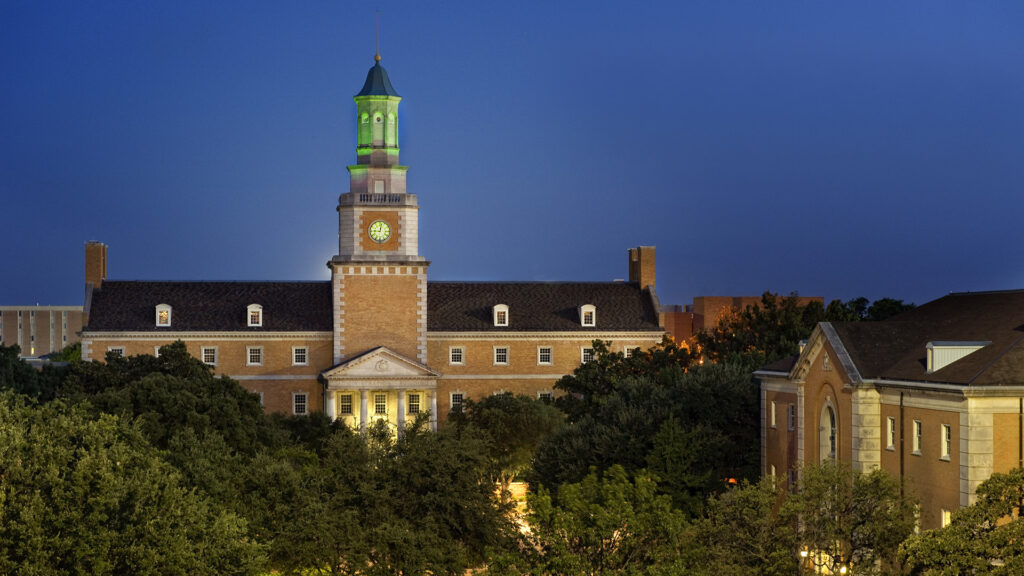
The University of North Texas’s Department of Counseling and Higher Education serves as the foundation to develop future counseling professionals. This 1987 department promotes human development through education, research, and service. These efforts advance both professions and scholarship in counseling and higher education.
UNT’s counseling program welcomes a student-centered approach that models healthy relationships. The program pursues a collective purpose based on transparency, integrity, and community participation. This foundation helps foster leaders who affect clients, students, and the counseling profession. These efforts ended up benefiting humanity as a whole.
UNT offers complete graduate programs that lead to Master of Education, Master of Science, and Doctor of Philosophy degrees in counseling. These programs help you become professional counselors, counselor educators, supervisors in schools, colleges, universities, and community agencies, or student services professionals.
The program’s excellence shows through its accreditation by the Council for Accreditation of Counseling and Related Educational Programs (CACREP). This specialized accrediting body has recognition from the Council for Higher Education Accreditation. CACREP has accredited several UNT program areas including clinical mental health counseling (MS), school counseling (MS), and the counselor education and supervision PhD program.
UNT provides ground experience through its Counseling and Human Development Center. The center offers affordable counseling services to individuals and families in Denton and surrounding areas. Advanced master’s and doctoral student counselors deliver quality, confidential services. The core team of UNT Counseling Program Faculty supervises these services.
The university also houses the Center for Play Therapy that encourages children’s development and emotional growth. This center provides training, research, publications, counseling services, and scholarships. It also serves as a clearinghouse for literature in the field.
UNT’s education quality reflects in its rankings. The College of Education is ranked first in the North Texas region among public graduate schools. It ranks third among public graduate schools in Texas and 68th among public graduate schools nationally according to U.S. News & World Report.
What counseling programs does University of North Texas offer?
UNT provides counseling programs at undergraduate, master’s, and doctoral levels that prepare students for rewarding careers in the counseling profession.
Students pursuing bachelor’s degrees can enroll in a Counseling Minor program to learn counseling basics.
The graduate programs at UNT offer specialized paths in counseling. The Clinical Mental Health Counseling (MS) program equips students with skills needed in college mental health centers, private counseling agencies, drug abuse treatment centers, child counseling clinics, and family counseling centers. Students complete 60 hours of coursework that meets state certification and licensure requirements for professional counselors. The program features four specialized tracks:
- Adolescent
- Adult
- Child
- College
Both MS and MEd formats are available in the School Counseling program. These paths help professionals support students’ personal, social, academic, and career growth from elementary through high school.
The Counselor Education and Supervision (PhD) program serves counseling professionals with master’s degrees. Doctoral students focus on research, teaching, advocacy, supervision, and advanced counseling practices.
The Clinical Mental Health Counseling program’s CACREP accreditation stands out. The program ranks #1 in Texas and maintains its position among the top 20 counseling programs nationwide. Admission requires a minimum 3.0 undergraduate GPA due to its competitive nature.
UNT’s Counseling Psychology doctoral program has held American Psychological Association accreditation since 1978. The program follows the scientist-practitioner training model and received reaccreditation in 2018, with the next evaluation set for 2028.
UNT also provides continuing education opportunities that help graduates maintain excellent care standards through current best practices. The university offers paths to Texas School Counselor Certification that qualified professionals can pursue.
Internships/Practicum at UNT
Students at UNT gain valuable hands-on experience through structured practicum and internship opportunities. These experiences let them apply their theoretical knowledge to real-life settings under professional guidance.
The counseling practicum requires students to complete a minimum of 100 total hours in counseling-related activities. At least 40 hours must include direct client contact. Each student receives weekly one-hour individual supervision from an on-site supervisor. The supervisor must be a Certified Rehabilitation Counselor or have Master’s level professional experience. This foundation helps students prepare for their future internship placements.
Students who successfully complete their practicum move on to internship—a more comprehensive field experience. The internship demands at least 600 supervised hours, and 240 of these hours must be direct service to people with disabilities. The master’s program requires two semesters of internship through COUN 5720 and COUN 5721. These courses typically mark the student’s final program enrollment.
UNT offers several excellent training sites:
- The Psychology Clinic helps students take on more responsibility gradually. They start as participant-observers and grow into managing their own caseloads.
- UNT Counseling and Testing Services (CTS) collaborates with various counseling programs. Students must commit to at least two semesters.
Field site supervisors need specific qualifications. They must hold a master’s degree in counseling or related field, maintain appropriate licensure or certification, and have at least two years of professional experience. Supervisors for school counseling placements must have Texas School Counseling Certification.
These experiences help students develop their clinical skills step by step. Students learn to conduct interviews, create treatment plans, co-lead counseling groups, and handle case management. These skills are crucial for their future careers as counseling professionals.
Students work with the internship coordinator to choose their placement. The program must approve each placement to ensure it matches the student’s professional goals.
What sets University of North Texas apart?
UNT’s Counseling programs are known for their long-running accreditation and stellar reputation. The Counselor Education and Supervision doctoral program and School Counseling programs have kept their accreditation since 1979. The Clinical Mental Health Counseling program (formerly Community Counseling) earned its accreditation in 1980. These programs rank #1 in Texas and often make it to the top 20 Counseling programs nationwide.
UNT delivers excellent value for money. It has been listed as one of America’s 100 Best College Buys© for 25 straight years. Students get private university quality without the hefty price tag. This makes the admission process highly selective.
The faculty’s expertise adds to UNT’s strong reputation. Many faculty members have earned honors from prominent organizations like the American Counseling Association, Association for Counselor Education and Supervision, Texas Counseling Association, and Chi Sigma Iota International Honor Society. Their research covers counseling methods, current field challenges, measurement and evaluation, and theoretical points of view.
UNT has also won several awards. These include the Association for Counselor Education and Supervision’s Outstanding Program Award and Publication in Counselor Education and Supervision Award. Students who complete the Clinical Mental Health Counseling program meet all educational requirements to become Licensed Professional Counselors in Texas.
The program aims to promote human development through education, research, and service. It prepares highly skilled professionals who work in schools, businesses, and other settings. The team shows steadfast dedication to creating and sharing innovative knowledge, especially when helping underserved populations achieve overall wellness.
Next steps
The path to a counseling career at UNT starts with understanding the application process and licensure requirements. You must submit all required admission materials through UNT’s Graduate Admissions Office by specific deadlines. Clinical Mental Health Counseling accepts applications until March 15 for Fall admission and October 15 for Spring. The School Counseling program admits students once a year with a March 15 deadline for Summer entry.
The Master’s Admissions Committee reviews applications with an integrated approach. Selected candidates receive invitations to group interviews scheduled shortly after the application deadline. Students with provisional admission status must complete a Criminal History Background Check before final acceptance.
Clinical Mental Health Counseling program students need to complete COUN 5710 in their first semester with a grade of B or higher. The program recommends taking COUN 5680 at the same time. The faculty assesses student progress based on academic performance, professional development, and personal growth.
Licensed Professional Counselor certification in Texas requires you to:
- Enroll in a CACREP-approved counselor-training program
- Complete required coursework
- Gain clinical practice at UNT’s training clinic
- Apply for the National Counselor Exam
- Earn a provisional license
The Counseling Psychology Program’s doctoral admissions happen once yearly with applications due by December 1.