
University of Mary Hardin-Baylor Counseling Degrees
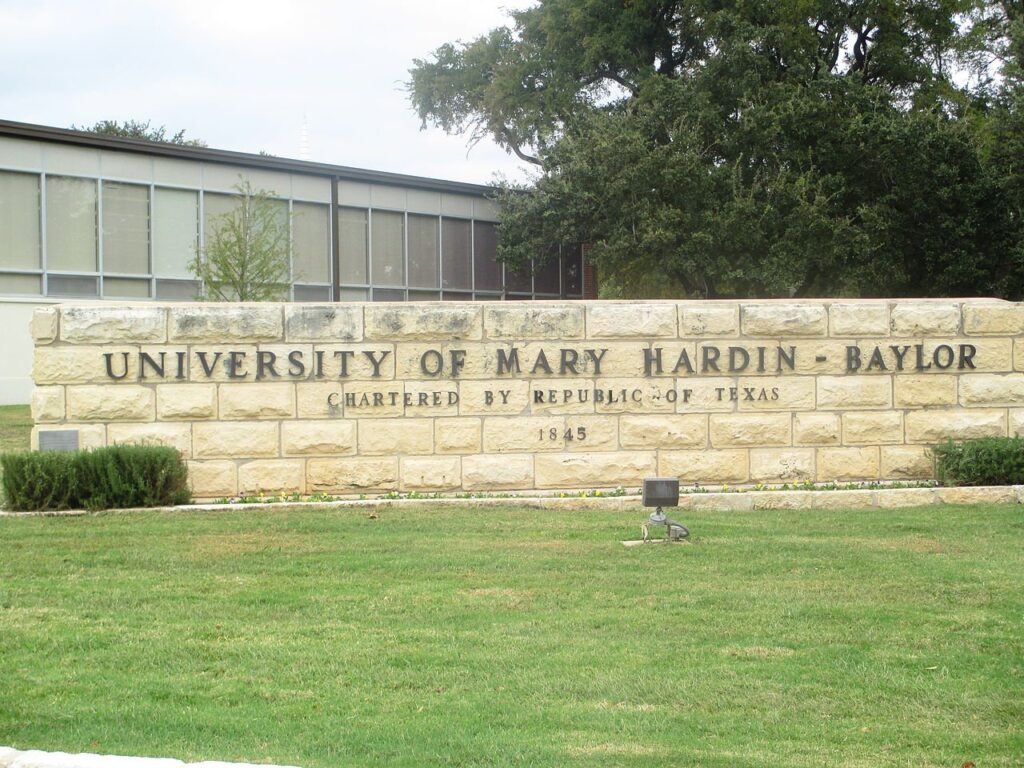
UMHB’s Master of Arts in Counseling program helps students from all backgrounds become skilled mental health professionals. The program features two CACREP-accredited tracks that align with specific counseling career goals.
Students at UMHB learn counseling in an environment that values Christian principles. The program builds expertise in counseling skills, theory, assessment, empirical research, and personal development. A team of practicing clinicians serves as faculty members and delivers a curriculum that readies graduates for professional settings of all types.
Program Tracks:
- Clinical Mental Health Counseling (CMHC): This 60-hour track gets students ready to work with individual clients in various counseling settings and private practice. After graduation, students can apply to become Licensed Professional Counselors (LPCs) in Texas.
- Marriage, Family & Child Counseling (MFCC): Students in this track learn to help clients through relational or systemic interventions. The program prepares graduates to work with couples and families in community settings or private practice.
The Council for Accreditation of Counseling and Related Educational Programs (CACREP) has accredited both tracks under its 2016 standards. This is a big deal as it means that graduates who move outside Texas will find their credentials typically meet or exceed most states’ licensure requirements.
Students who enroll full-time year-round can complete the CMHC degree in approximately seven semesters. Faculty members work closely with students to develop essential counseling skills throughout the program.
The program’s mission began to create knowledgeable, ethical professional counselors who can meet the growing need for mental health services in our complex, diverse society. The curriculum also meets all requirements set by the Texas State Board of Examiners of Professional Counselors.
Faculty evaluates students at several key points during their academic experience. These checkpoints include admission, coursework, candidacy application, clinical instruction, and comprehensive examinations. This approach gives a full picture of each student’s academic knowledge and practical skills needed to provide effective counseling.
The programs also meet the Federal Government’s preferred standards if you want to work with the Department of Defense or Veterans Administration. UMHB’s counseling program combines rigorous academics with hands-on clinical experience, making it an excellent choice for future mental health professionals.
What counseling programs does University of Mary Hardin offer?
UMHB’s Master of Arts in Counseling program features three specialized tracks that prepare students for different career paths in the mental health field.
The Clinical Mental Health Counseling (CMHC) track is a 60 credit hours program that focuses on working with individual clients in different settings. Graduates can apply for licensure as Licensed Professional Counselors (LPC) in Texas. Students develop expertise in individual interventions and therapeutic approaches.
Students pursuing the Marriage, Family, and Child Counseling (MFCC) track complete 60 credit hours with emphasis on relational or systemic interventions. This track prepares graduates to work with couples and families and qualify to apply for licensure as Licensed Marriage & Family Therapists (LMFT) in Texas.
A third option, the Non-Clinical Professional Studies in Counseling track, is a 30-hour degree previously known as “Academic Specialization”. Students seeking advanced degrees for professional development or further academic study rather than licensure find this non-clinical program ideal. The program allows students to select up to 9 credits from other graduate disciplines with advisor approval.
The Council for Accreditation of Counseling and Related Educational Programs (CACREP) accredits both CMHC and MFCC tracks. This accreditation validates that the curriculum meets national standards and helps graduates who might relocate outside Texas.
The core curriculum for all counseling students has coursework in:
- Developmental Counseling
- Counseling Theories and Techniques
- Group Theories, Dynamics, and Process
- Lifestyle and Career Development
- Multicultural Counseling
- Assessment and Appraisal
- Research and Evaluation
- Professional Orientation and Ethics
The biggest difference between CMHC and MFCC tracks lies in their clinical focus—individual interventions versus relational approaches. Students can complete both tracks in about seven semesters with full-time, year-round enrollment.
Program applicants need a bachelor’s degree from a regionally accredited university with a major in psychology or a related field. They must have completed at least 12 credit hours of psychology or social sciences coursework. The application process requires transcripts, recommendation letters, an interview, and a writing sample.
Internships/Practicum at UMHB
Clinical training is the core of the Master of Arts in Counseling program at University of Mary Hardin Baylor. Students start with practicum experiences and advance to internship placements. This hands-on expertise grows throughout their academic experience.
Students first complete a practicum that requires 100 clock hours of supervised clinical practice, including 40 hours of direct counseling experience. The UMHB Community Life Counseling Center (CLC) hosts most of this practical training. The university’s dedicated on-campus training facility’s Director manages daily operations and ensures quality clinical experiences that meet CACREP accreditation requirements.
The program moves into a two-semester internship sequence. Each internship semester needs 300 clock hours of supervised practice. Students spend 120 hours on direct counseling services and 180 hours on indirect activities. They receive complete supervision from faculty and off-site supervisors – one hour weekly of individual supervision and one and a half hours of group supervision.
Students must enroll in additional continuing supervision if they cannot complete at least 80% (240 hours) of their required clinical hours by the deadline. The intensive nature of these clinical experiences makes students enrolled in internship courses full-time students.
Faculty supervisors assess students at the CLC. Both faculty and site supervisors evaluate students at off-campus locations. The Counseling Competencies Scales (CCS) helps track progress at mid-term and semester’s end. This structured evaluation happens multiple times throughout the program.
Graduates who want Licensed Professional Counselor (LPC) status in Texas end up completing an additional 3000-hour post-graduation internship. The Texas State Board of Examiners of Professional Counselors must approve this internship. Candidates need to apply for the National Counselor Exam and get a temporary license from the state board before starting their post-graduate internship.
What sets University of Mary Hardin apart?
The counseling program at University of Mary Hardin Baylor stands out from other institutions with its unique features. Small class sizes and individual attention create an ideal environment where students develop strong clinical skills. This commitment to personalized education sets the foundation for success.
The program’s faculty consists of award-winning, nationally recognized counselor educators who work as active practitioners. These mentors lead through service and faith-based recognition. Students receive authentic guidance from professionals who understand both theory and real-life applications.
The Community Life Counseling Center (CLC) makes this program truly special. Students work at this state-of-the-art clinical training facility within the University of Mary Hardin Baylor Cru Clinic. The center provides free mental health services to underserved populations in Bell County. Students gain valuable experience and contribute meaningfully to their community.
Students manage real client caseloads at the CLC during their practicum and internship experiences. Faculty members supervise closely through live observation and recorded session reviews. This hands-on approach gives students immediate feedback that shapes their professional growth.
The curriculum combines inter-professional interactions and learning activities. Graduates learn to work effectively in multidisciplinary settings. This skill proves invaluable in modern healthcare environments.
The program upholds high academic standards while nurturing strong student-faculty relationships. Students learn counseling through both classroom instruction and hands-on experience. This balanced approach ensures graduates master both theory and practical skills.
The University of Mary Hardin Baylor counseling program blends academic excellence, state-of-the-art practices, spiritual integration, and community service. Graduates emerge as well-rounded practitioners ready to address complex mental health needs in a variety of settings.
Next steps
Want to join the program? Your journey at the University of Mary Hardin Baylor counseling program starts with a completed application form and fee. Regular applicants pay $35.00, while international students need to submit $75.00.
The next step requires you to submit official transcripts from all institutions attended. You’ll need a minimum 3.0 cumulative GPA or last 60 credit hour GPA to qualify for regular admission. The program requires three recommendation letters that vouch for your character and knowing how to complete graduate work. Faculty will send interview invitations only after receiving at least one recommendation letter.
The department faculty schedules interviews once they receive all documents. You will write a sample during your interview day using materials the department provides.
Students must show academic knowledge, interpersonal skills, professional orientation, and sound mental health that aligns with occupational requirements. Faculty members assess student performance at various stages to ensure they develop both knowledge and practical skills.
Note that state licensing boards may not guarantee licensure even after program admission or completion.