
Counseling Programs offered at Texas Christian University
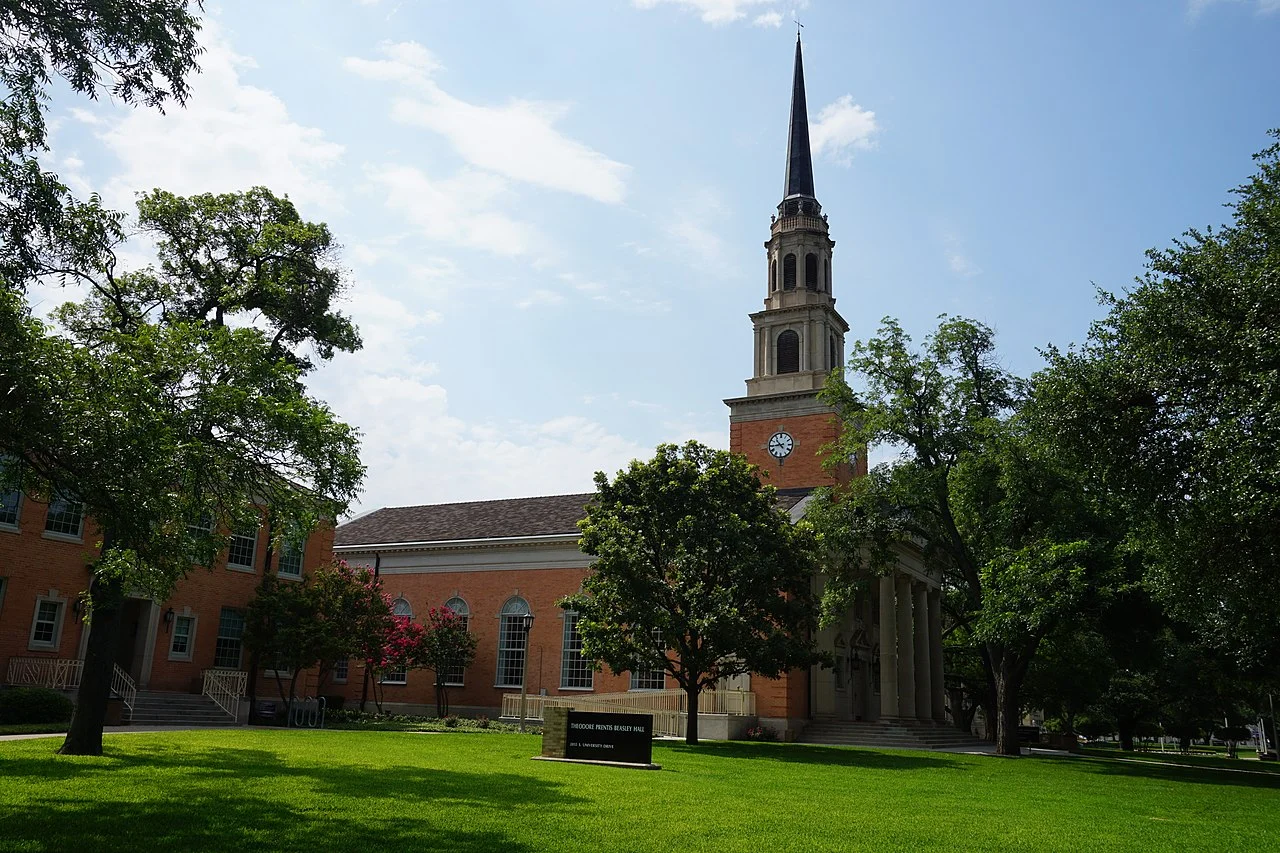
TCU builds a reliable foundation for aspiring counseling professionals through programs that focus on solutions rather than problems. The counseling curriculum highlights client strengths and resiliencies, based on the belief that clients bring valuable resources and that counseling has time limits. This philosophy shapes all counseling education at the university.
Students and faculty develop nurturing relationships in TCU’s counseling programs that create a unique learning environment. These bonds stay strong even after graduation as students move into careers in schools and communities. Graduates maintain close connections with professors, peers, and other professionals, which builds a lasting professional network of people, skills, and resources.
The Princeton Review recognized TCU’s exceptional mental health services in 2021, ranking as #6 in Best Counseling Services. Licensed providers who specialize in college mental health work at the university’s Counseling & Mental Health Center and maintain close ties with providers throughout the Fort Worth community. Students receive dedicated support for their mental health needs and academic success through this center.
The counseling department provides master’s level and doctoral education options. Master’s degrees prepare graduates to take leadership roles in counseling and help them plan, direct, implement, and evaluate counseling programs in different settings. The doctoral program (Ph.D. in Educational Studies: Counseling and Counselor Education) creates advanced professional practitioners who excel in strength-based approaches for diverse populations.
TCU students learn more than theory—they develop practical skills that make them stand out as professionals. One student shared that the program prepared them “to not only find a job but to be qualified above and beyond in that position”. The doctoral program gives students the tools for high-quality original scholarship, readying them for college faculty positions, research roles, and leadership in counseling education.
The core mission drives TCU’s counseling programs: preparing professionals who can teach, counsel, and lead effectively in various settings while promoting health, quality of life, and well-being for children, adolescents, young adults, and their families.
What counseling programs does Texas Christian University offer?
TCU provides four unique counseling programs that align with specific career goals.
Students can choose from three specialized tracks at the master’s level. The M.Ed. in Clinical Mental Health Counseling is a complete 60-hour program that readies graduates to become Licensed Professional Counselors (LPC) in Texas. The curriculum follows Council for Accreditation of Counseling and Related-Educational Program (CACREP) standards and gives you the skills to work with children and families in various settings. Students who complete this program are ready to pass the National Counselor Exam administered by the Texas State Board of Examiners of Professional Counselors.
The M.Ed. in School Counseling runs as a fully online 48-hour program that meets State Board of Educator Certification requirements. Texas removed the two-year classroom teaching experience requirement for school counselor certification in September 2023. Students can apply all counseling classes in this program toward academic requirements for Texas professional licensure.
Students interested in social services without licensure or certification requirements can pursue the M.Ed. in Human Services. This 36-hour program takes a strength-based approach for non-licensure career paths.
The doctoral program, Ph.D. in Educational Studies: Counseling and Counselor Education, creates advanced practitioners in counseling, counselor education, and systems intervention. Students must complete at least 60 credit hours post-matriculation. The program emphasizes strength-based approaches especially when you have diverse populations. The degree opens doors to college faculty positions, research roles, and leadership opportunities in counselor education.
TCU’s student counseling program saw 10 master’s graduates in the 2021-2022 academic year, with women making up 90% and men 10% of the class. These graduates earned a median salary of $58,029 annually – this is a big deal as it means that the national median of $49,734 for similar programs.
Internships/Practicum at TCU
Field experience is the substance of counseling education at TCU. Students get hands-on practice to apply their theoretical knowledge. Clinical Mental Health Counseling students follow a well-laid-out field experience program that meets CACREP accreditation standards.
Students must complete EDGU 70103 Practicum I. This course just needs minimum of 160 hours of onsite experience and at least 40 hours of direct client contact. Students should finish specific foundational courses before they start supervised counseling practice. The experience helps them work on videotape transcriptions and case studies. They also learn about legal and ethical issues, along with certification and licensure requirements.
The internship part (EDGU 70303) goes beyond practicum. It requires 300 clock hours per semester with at least 120 hours of direct counseling service. Students take two internship semesters to complete 9 field experience credit hours. The detailed field experience adds up to 600 hours minimum. This has at least 240 hours of direct service with real clients.
Students should pick internship sites that give them both individual counseling and group work experience. They first suggest their preferred counseling site and supervisor. The counseling faculty then reviews each application to approve it. Clinical Mental Health Counseling students do some of their direct hours at the TCU Counseling Clinic in the FWISD Riverside Family Resource Center.
School Counseling certification has specific requirements. All practicum hours must be done at a school with accreditation from either the Texas Education Agency or the Texas Private School Accreditation Commission. Students also need to pass the TExES School Counselor exam.
All counseling students must get liability insurance before starting practicum experiences, whatever their specialization. The TCU Counseling & Mental Health Center is a chance to get unmatched training. Graduate students work on professional activities under strong supervision in a multidisciplinary setting.
What sets Texas Christian University apart?
TCU’s groundbreaking counseling approach makes it stand out among universities nationwide. More than 100 schools across the country are learning to copy parts of its model. This recognition proves how well the program works and shows its progressive methods.
TCU’s counseling framework views mental health “not a clinical issue but a campus community issue”. This philosophy creates real differences in how services reach students. Their triage and crisis counselors dedicate all their time to students with urgent needs or those seeking help for the first time.
The university’s counseling programs shine through several unique features:
- Innovative therapeutic approaches: TCU provides equine therapy (with real horses) and partners with local treatment centers to host specialized programs on campus
- Complete peer support: Beyond clinical services, TCU encourages non-clinical peer support communities, including their Support Gaming Community and Collegiate Recovery Community
- National recognition: The university’s clinical services have appeared in prestigious publications including The Princeton Review, The Chronicle of Higher Education, Insider Higher Ed, The Harvard Business Review, and The Fort Worth Star-Telegram
Students learn in a shared environment that sets the program apart. Graduate students team up with faculty members on research projects and get meaningful field experience. A remarkable 4:1 adjusted ratio of graduate students to faculty supports this close teamwork.
Students can easily get help at TCU. Tuition covers all costs for individual and group counseling, which means every student has access to support when they need it. The university stays true to this promise by analyzing data to tackle new challenges, like students’ limited time due to packed academic schedules and digital lifestyles.
TCU excels with its solution-focused approach that builds on strengths and resilience instead of dwelling on problems. This philosophy shows their steadfast dedication to preparing counselors who know how to support people from different backgrounds in various settings.
Next steps
Want to get a counseling degree at Texas Christian University? Start by completing the online application on TCU College of Education’s website. The university will process your application based on current policies and send notification letters quickly after making a decision.
The Graduate Admissions office can provide more details about M.Ed. programs in Clinical Mental Health Counseling, School Counseling, or Human Services at 817-257-7661. New applicants need to submit official transcripts from their previous colleges or universities, except for TCU transcripts.
Your acceptance letter will contain your TCU ID number and your advisor’s information. Students admitted with conditions must meet requirements before their first semester ends. You can request a written extension from the Associate Dean of Graduate Studies if you need more time.
Ph.D. students follow a clear path that includes content courses, qualifying examinations, internship, portfolio, and original research. The process ends with a dissertation defense. Written and oral components make up the qualifying examination to check readiness for dissertation research. Faculty committees work with students to guide them through research proposal, execution, and defense.
TCU provides detailed support throughout the application process and academic experience for both M.Ed. and Ph.D. programs. Students can learn about financial assistance and scholarships on the financial aid page.