
Counseling Programs offered at Tarleton State University
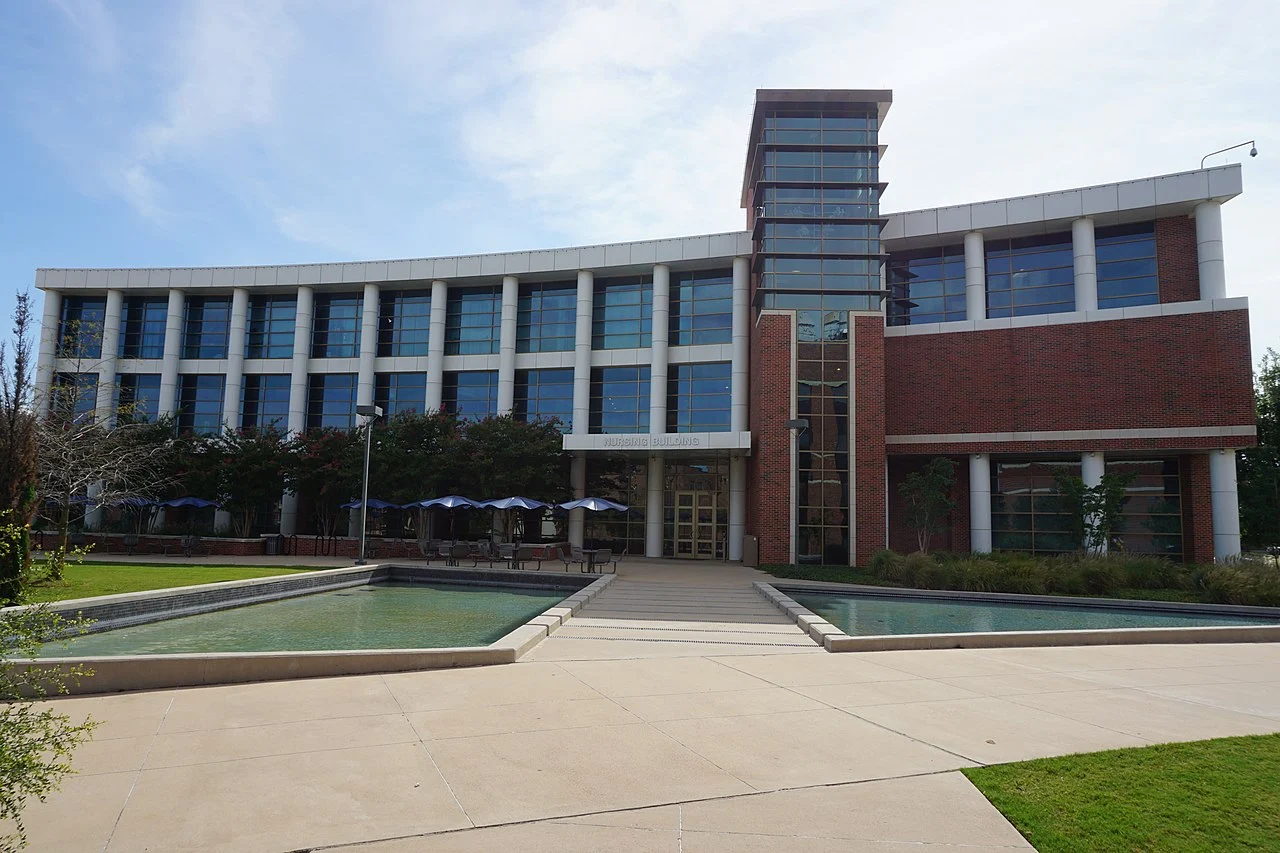
The Department of Counseling at Tarleton State University provides excellent graduate programs that prepare students for rewarding careers in mental health and counseling. This 40-year old department within the School of Behavioral Sciences has built an outstanding record in counselor training. Their programs help meet crucial workforce demands.
Students can choose from three graduate degree programs. The Master of Science (M.S.) in Clinical Mental Health Counseling welcomes students at Fort Worth Chisholm Trail, Waco, and Stephenville locations. Students pursuing the Master of Science (M.S.) in School Mental Health Counseling can study at Fort Worth Chisholm Trail or Waco campuses. The Doctor of Philosophy (Ph.D.) in Counseling helps students become advanced researchers, counselor educators, and practitioners.
The M.S. in Clinical Mental Health Counseling program’s excellence shows in its full accreditation from the Council for Accreditation of Counseling and Related Educational Programs (CACREP). Students complete 60 credit hours that meet Texas’s Licensed Professional Counselor (LPC) requirements. The M.S. in School Mental Health Counseling program meets 2024 CACREP standards and prepares students for both LPC eligibility and TExES school certification testing.
The Ph.D. in Counseling program builds expertise in counseling, supervision, teaching, research and scholarship, and leadership and advocacy. Students complete 72 credit hours focused on advanced research, teaching, clinical supervision, and ethical counseling approaches.
The department shapes professional counselors through hands-on learning, solid theoretical knowledge, and strong professional identity. Students learn to think ethically, show cultural competence, pursue scholarship, and lead while making valuable contributions to counseling.
The school aims to stand out locally and internationally as a community that makes shared research, education, and service exemplary. More than 200 Texas counties need mental health professionals, which creates many career opportunities for graduates.
Master’s program classes run during late afternoons and evenings, making them perfect for working professionals. Students can finish their degrees in 3-4 years while balancing work and other responsibilities. First-generation graduate students receive tailored faculty advising and helpful resources that support their success.
What counseling programs does Tarleton State University offer?
Tarleton State University’s Department of Counseling has three graduate-level counseling programs. Each program creates a unique path in the mental health field.
The Master of Science in Clinical Mental Health Counseling is the foundation of Tarleton’s counseling education. Students complete 60 credit hours in this program which has full accreditation from the Council for Accreditation of Counseling and Related Educational Programs (CACREP). Students can attend classes at Fort Worth Chisholm Trail, Waco, and Stephenville locations. The curriculum teaches everything in human growth and development, professional ethics, career theory, counseling theories, and practical skills. Texas graduates can qualify as Licensed Professional Counselors (LPC).
Graduates can build careers as:
- Licensed Professional Counselors in private practice or agencies
- Mental health counselors in community organizations
- Substance abuse counselors at treatment centers
- Career counselors helping with professional development
- Employee Assistance Program counselors in corporate settings
The Master of Science in School Mental Health Counseling is available at Fort Worth Chisholm Trail and Waco campuses. This program stands out because it meets requirements for both Licensed Professional Counselor eligibility and Texas school counselor certification. Students learn to support K-12 students’ academic, emotional, and social growth while focusing on mental health counseling in schools and communities. The program lines up with 2024 CACREP Standards and has specialized courses in crisis intervention, assessment procedures, and multicultural competence.
The Doctor of Philosophy in Counseling program at Fort Worth Chisholm Trail location helps mental health professionals become advanced practitioners, counseling leaders, educators, supervisors, and researchers. Students study five core areas: counseling, supervision, teaching, research and scholarship, leadership and advocacy. The program has four practicum/internship courses to develop clinical skills, three courses in clinical supervision, two courses in counseling instruction, and three courses about leadership and advocacy. Students can choose from three concentrations: Creative Approaches to Counseling, Trauma Counseling, and Multicultural Approaches to Counseling.
Tarleton graduates step into the counseling profession with strong theoretical knowledge and hands-on experience. This combination makes them successful in a variety of settings.
Internships/Practicum at Tarleton State
Clinical training are the foundations of Tarleton State University’s counseling programs. Students get hands-on experience through field placements in a structured sequence. The complete clinical training has Pre-Practicum, Practicum (CNSL 5397), and two consecutive Internships (CNSL 5399). These provide supervised ground counseling experience.
Students in the School Mental Health Counseling track can take a specialized internship (CNSL 5398: Internship: School Mental Health Counseling). This helps develop school-specific competencies. Career-ready fieldwork strengthens both clinical and school-based counseling skills. Graduates can then market themselves competitively for jobs in school systems and mental health agencies.
Students must complete all course prerequisites and maintain good academic standing before practicum placement. Field placement sites must be located within 75 miles of your home campus—whether that’s Fort Worth, Waco, or Stephenville. The department has strict application deadlines: July 1st for Fall semester, November 1st for Spring semester, and April 1st for Summer semester.
Students spend at least 8-10 hours weekly at their placement site during field experience. They must purchase liability insurance before starting practicum or internship. The Texas Counseling Association provides an available option for student liability coverage. American Counseling Association student membership also offers insurance benefits.
Supervision happens at two levels. Students receive individual supervision from their site supervisor (minimum 1 hour weekly) and university-based group supervision. Site supervisors must be qualified professionals—LPC, LMFT, LP, LCSW, or LMSW in Texas. They need at least 2 years of experience and a master’s degree in a counseling-related field.
Recording counseling sessions is required for supervision. This gives valuable opportunities for feedback and professional growth. Students must destroy all recordings by semester’s end to protect client confidentiality. This well-laid-out field experience helps develop practical skills needed for successful counseling careers.
What sets Tarleton State University apart?
Tarleton State University’s counseling programs stand out because of their exceptional faculty expertise. Dr. Ryan D. Foster leads the department as Interim Department Head and specializes in humanistic sandtray therapy research. Dr. Ryan Holliman’s research has got over 660 citations with an h-index of 12, especially in child-centered play therapy studies. Dr. Kelsey Webb’s achievements include securing $135,000 in federal funding from the National Institute on Disability, Independent Living, and Rehabilitation Research.
CACREP accreditation gives Tarleton’s Clinical Mental Health Counseling program a most important advantage. The Institute of Medicine and Veteran’s Administration recognize this prestigious certification as their training standard. Licensed counselors can also practice across states with this accreditation.
The faculty’s research spans various areas like humanistic sandtray therapy, play therapy for children, grief counseling, and digital media’s effects on body image. Dr. Holliman helped create the Child Interpersonal Relationship and Attitudes Assessment (CIRAA), which measures therapeutic outcomes in play therapy effectively.
The department aims to develop “moral and ethical thinkers, culturally competent professionals, scholars, and leaders”. Students become ready to make an immediate difference in various settings through specialized training in play therapy, crisis intervention, and expressive arts.
Next steps
The counseling programs at Tarleton State University require a two-step application process. Students need to submit their application to the College of Graduate Studies first and then to the Department of Counseling.
Students should note two important deadlines: a priority deadline of December 1 and a final deadline of April 1. The program requires a minimum 3.0 GPA calculated from your last sixty hours of undergraduate or graduate coursework. The process also includes an on-campus interview and program orientation attendance.
A $50 non-refundable processing fee must accompany your application, along with a 600-word essay that outlines your purpose and goals for graduate school. The university requires official academic records from all colleges and universities you attended.
Accepted pre-SMHC or pre-CMHC students go through the First Semester Review Process. Faculty members evaluate your performance based on professionalism, competency, professional responsibility, integrity, and ethical standards. This evaluation leads to one of three admission statuses: Fully Admitted, Continue with Conditions, or Not Admitted. Your advisor will then discuss the results and guide you through the next steps of your educational experience.