
Counseling Programs offered at St. Mary’s University
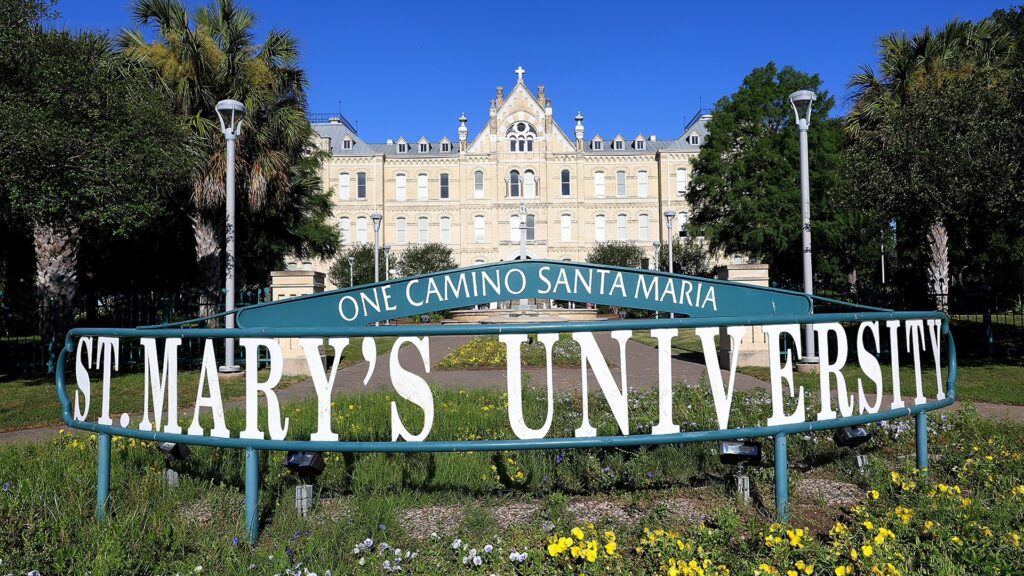
St. Mary’s University’s Department of Counseling and Human Services builds on a foundation of educational excellence. The department prepares graduates to work as professional counselors who bring Marianist values of justice, peace, and human dignity into their practice. These core principles guide how counselors serve their evolving global society.
St. Mary’s University proudly offers Clinical Mental Health Counseling and Counselor Education and Supervision programs, both fully accredited by the Council for Accreditation of Counseling and Related Educational Programs (CACREP). This prestigious accreditation shows the program’s dedication to the highest educational standards in counselor preparation.
The department emphasizes the Scholarship of Teaching, which focuses on:
- Clinical skills and teaching techniques
- Cultural competence in a variety of populations
- Student development models
- Supervision processes
Faculty members guide students carefully as they begin working with real clients. This hands-on approach will give students the ability to provide quality mental health services while building professional competence. The faculty also takes responsibility for their students’ service quality.
Students at St. Mary’s learn to work respectfully with clients of all ages and from all cultural, economic, religious, and family backgrounds. This inclusive approach creates counselors who can serve South Texas and the broader nation effectively.
The Clinical Mental Health Counseling Master’s program prepares graduates to blend Marianist values with service in a changing society. The Counselor Education and Supervision doctoral program expands this mission by creating advanced clinicians, educators, supervisors, leaders, and researchers who share these values.
The department promotes shared scholarship through journal articles with multiple authors, professional presentations, student research support, and research partnerships with other institutions. Faculty members view dissertation supervision as a vital part of scholarly work.
Students learn theory and practical applications through coursework and clinical experiences at this school. This helps them develop personal counseling approaches while showing growth toward enriching careers. The program welcomes both full-time and part-time students, making quality counselor education available for various student needs.
What counseling programs does St. Mary’s University offer?
St. Mary’s University’s Department of Counseling and Human Services has two counseling programs. These programs help students at different stages of their professional experience.
The Master of Arts in Clinical Mental Health Counseling program is the core of the department. Students need to complete 60 credit hours of complete coursework. The strong curriculum has core courses, elective options, and three essential clinical courses. Both full-time and part-time students can join the program. Quality education is available whatever your schedule looks like.
The master’s program teaches you these critical areas:
- Theories of Counseling
- Assessment and Appraisal
- Career Planning
- Group Counseling Methods
- Substance Use and Addictive Disorders
- Mental Health and Psychopathology
Classroom learning is just the start. You’ll get great hands-on experience at the Family Life Center, a department-run clinic, and in community settings. This practical training helps you work with clients who face different challenges. These range from career issues and mental health disorders to relationship problems and developmental concerns.
St. Mary’s also offers a Ph.D. in Counselor Education and Supervision to advance your training. This doctoral program builds on your master’s foundation. It prepares you to become an advanced clinician, educator, supervisor, leader, or researcher in counseling.
Both programs open many career doors. Master’s graduates often work in counseling institutions and agencies. These include alcohol and drug treatment facilities, social service agencies, and hospitals. Some graduates continue their education in doctoral programs, like St. Mary’s Ph.D. program.
These programs stand out because of their practical approach. They blend classroom teaching with role play, clinical experiences, and different assessment methods. So you’ll learn both theory and skills needed to succeed in real-life counseling environments.
Internships/Practicum at St. Mary’s
Real-life experience is essential to the training at St. Mary’s University’s counseling programs. Your learning experience includes well-laid-out clinical experiences that build professional competence in ground settings.
The original training starts with your practicum experience where you complete 100 hours of supervised practice. You then move to internship placements that need 600 more clinical hours. These experiences let you use the theoretical knowledge from your coursework in actual counseling situations.
The Family Life Center, our department’s teaching clinic, hosts your on-campus training. This controlled environment gives you close faculty supervision during your first clinical experiences. You then move to off-campus placements at community sites including:
- Mental health agencies
- Hospital settings
- Educational institutions
- Substance abuse treatment facilities
Both site supervisors and university faculty supervise you during these placements. This complete oversight will give your developing skills the right professional standards while protecting client welfare. Case consultation, skill development, and professional identity formation happen during weekly individual and group supervision sessions.
Documentation is a vital part of your clinical training. Detailed records of client contacts, supervision hours, and intervention strategies become part of your responsibility. These records help with education and accountability.
Your clinical experiences conclude with complete evaluations of your counseling effectiveness, ethical practice, and professional behavior. Mid-term and semester-end evaluations provide feedback that helps you improve continuously.
St. Mary’s emphasizes ethical practice heavily during internship experiences. You complete the largest longitudinal study in confidentiality, client welfare, and professional boundaries before starting clinical work. This ethical foundation prepares you to handle complex counseling situations.
The natural progression from classroom to clinic to community makes St. Mary’s counseling program unique. Our graduates gain both theoretical knowledge and practical skills they need to succeed in professional practice.
What sets St. Mary’s University apart?
Marianist values spread through everything in the counseling programs at St. Mary’s University. Students learn in a unique educational setting where justice, peace, and human dignity become part of their professional practice. These foundations shape graduates who make a difference in our ever-changing global society with its variety of cultures.
St. Mary’s student-centered approach shines through its learning structure. Classes take place during weekday evenings and alternate Saturdays in Fall and Spring semesters. Working professionals can pursue advanced education without giving up their career obligations.
Students find it easy to enroll at St. Mary’s. Application periods open for both Fall and Spring terms, making it simpler to start your educational experience. Space-permitting, the university reviews applications even after deadlines pass.
Collaboration, not competition, defines the department’s approach to scholarship. Faculty members support multiple authorship of research articles and professional presentations. They sponsor student research and work on shared projects with other institutions. These collaborative efforts build relationship skills that matter in therapy.
Faculty members go beyond typical academic roles. Professors take time to supervise new clinical students carefully. Their hands-on mentorship ensures graduates have both theoretical knowledge and practical skills.
St. Mary’s shows its steadfast dedication to training counselors who understand how societal inequities affect communities. This focus on social justice prepares graduates to help clients from all backgrounds face today’s complex challenges.
These unique features help St. Mary’s University create counseling professionals with more than just clinical expertise. Yes, it is a place where graduates gain the ethical foundation and cultural awareness needed for meaningful careers in our complex world.
Next steps
The St. Mary’s counseling program welcomes applications for Fall and Spring terms. The application process is designed to help students start their educational experience confidently. The admissions team continues to evaluate applications even after deadlines if spaces remain available.
Students ready to pursue their counseling degree at St. Mary’s need to provide several documents. These include a completed application form with fee, official transcripts from all previous colleges and universities, and a personal statement about academic and professional goals. A current resume and letters of recommendation from professional or academic references complete the application package.
Accepted students must submit the Graduate Enrollment Confirmation Form online with a $100 non-refundable deposit to secure their spot. The deposit gets applied to the student’s account at the start of coursework. Some groups don’t need to pay this deposit. These include St. Mary’s students accepted to combined degree programs, eligible military personnel, and current St. Mary’s employees.
The St. Mary’s University Application Portal provides access to the payment system after students complete their enrollment confirmation.
The Office of Graduate Admission team is ready to help with questions about applications or enrollment deposits. Graduates find roles in treatment facilities, social service agencies, and hospitals.
Many alumni choose to advance their education through doctoral programs. The Ph.D. in Counselor Education and Supervision at St. Mary’s University is a popular choice.