
Counseling Programs offered at St. Edward’s University
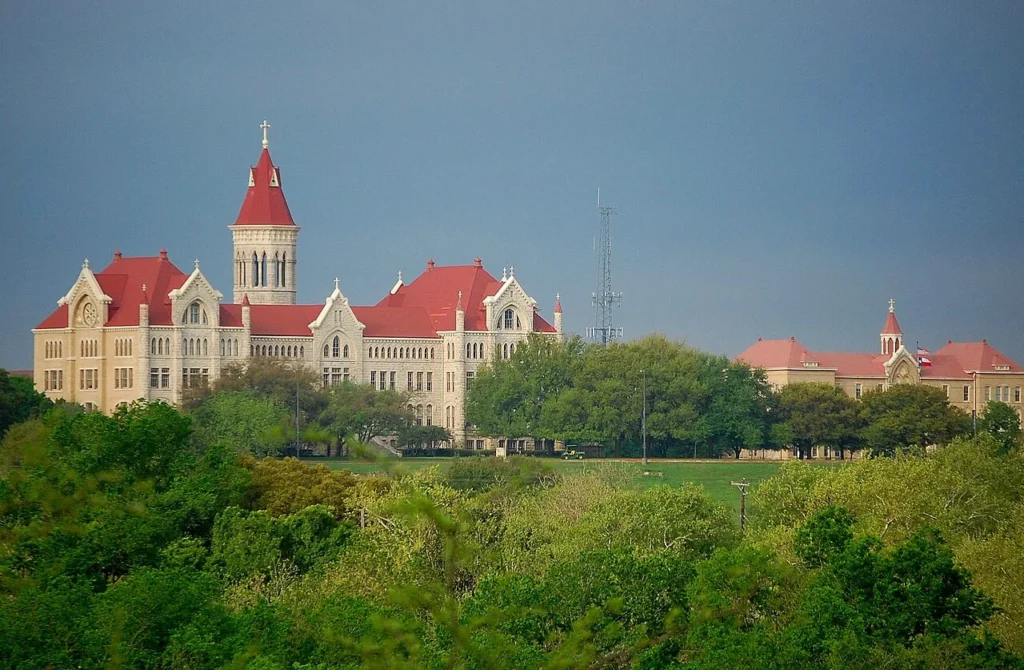
St. Edward’s University offers a Master of Arts in Counseling program that prepares students to become Licensed Professional Counselors (LPC) or Licensed Marriage and Family Therapists (LMFT) in Texas. Students from various backgrounds join this three-year program, which mirrors the communities they will serve.
Students at the Department of Counseling learn to become compassionate mental health professionals with strong humanistic values. They focus on prevention, wellness, personal growth while maintaining respect for human dignity.
This school is known for its ethical foundation and social justice focus. Social justice at St. Edward’s lines up with both the counseling program’s goals and the university’s core values. Students learn how power, privilege, and differences shape various relationships.
The program features two concentrations—Clinical Mental Health Counseling (CMHC) and Marriage, Couple and Family Counseling (MCFC). Both are accredited by the Council for Accreditation of Counseling and Related Educational Programs (CACREP). CACREP accreditation holds recognition from the Council for Higher Education Accreditation (CHEA) in the United States.
Students explore multiple theoretical viewpoints as they develop their framework for community and clinical practice. They learn to ask questions that help them understand their clients’ cultural and social identities better. The program helps students recognize their privileged and marginalized identities and their impact on client work.
Faculty members bring real-life cases and current insights from their work as practicing clinicians, consultants, and mentors. Many professors continue their clinical work in mental health settings of all types, including community centers, hospitals, schools, and private practice. Their hands-on experience improves their teaching and supervision skills substantially.
Working adults can benefit from flexible evening class schedules. Most students finish the program in eight semesters over two and a half to three years while studying year-round. The 60-hour degree costs $1,610 per credit hour and represents a solid investment in your professional future.
What counseling programs does St. Edwards University offer?
St. Edward’s University’s Master of Arts in Counseling program features two specialized concentrations that lead to specific mental health careers. Students can choose the Clinical Mental Health Counseling (CMHC) track to become a Licensed Professional Counselor, or the Marriage, Couple & Family Counseling (MCFC) track to pursue licensure as a Marriage and Family Therapist in Texas.
This 60-credit hour program helps you build detailed counseling skills and knowledge. You’ll learn everything about professional ethics, multicultural counseling, human development, therapeutic relationships, counseling theories, and group facilitation. The program also teaches career development counseling, assessment techniques, and research methods that support evidence-based practice.
Students typically complete the program in about two and a half to three years by attending year-round (fall, spring, summer) over eight semesters. The final three semesters include at least 700 hours of practical experience split between St. Edward’s Community Counseling Clinic and various Austin field sites.
Licensed Professional Counselor candidates must pass the National Counselor Exam (NCE) after graduation and complete 3,000 hours of supervised field experience with a temporary license (LPC Associate) under a board-approved supervisor. St. Edward’s counseling program students achieve a 95% passing rate on the National Counselor Exam.
Marriage and Family Therapy licensure candidates need to pass the state AMFTRB examination and complete 3,000 hours of postgraduate supervised field experience with a temporary license (LMFT Associate) under a board-approved LMFT supervisor.
The program prepares you to work in hospitals, residential treatment centers, nonprofit agencies, government organizations, and private practice. St. Edward’s partners with more than 50 entities in Austin that provide internship opportunities, giving students hands-on experience before graduation.
Students develop their professional counselor identity through industry organization participation and by adopting the values outlined in the American Counseling Association Code of Ethics.
Internships/Practicum at St. Edwards University
Hands-on experience is essential to the St. Edwards counseling program through a detailed internship and practicum structure. Students complete three semesters of supervised field experience during their final year. This adds up to at least 700 total practice hours.
The experience starts at the St. Edward’s Community Counseling Clinic with your first semester of practicum. This on-campus training facility serves the Austin community and Texas residents with low- to no-cost counseling services. Licensed faculty members supervise students closely as they develop their foundational clinical skills. More importantly, students learn to deliver counseling services both in-person and through online platforms.
Students who successfully complete their original practicum move on to two semesters of internships at field-based sites. St. Edward’s University maintains long-standing alliances with more than 40 agencies, hospitals, schools, and practices throughout Austin and surrounding areas. These sites give students exposure to various clinical experiences.
These alliances include respected organizations such as:
- Austin State Hospital
- Integral Care
- LifeWorks
- Hays Consolidated Independent School District
- Goodwill
- Rock Springs Hospital
- Travis County Correctional Facility
- Capital Area Counseling
The St. Edwards masters in counseling program features about 80 practicum options, each with distinct specializations. To cite an instance, Capital Area Counseling Center helps low-income clients on a sliding scale, while LifeWorks Youth & Family Alliance supports adolescents and families facing hardships like abuse and homelessness.
These practical experiences create valuable professional connections. Therefore, many students receive full-time job offers at their practicum sites and complete their internship requirements within two years. This hands-on training helps students refine their professional skills, explore different counseling environments, and develop specialized areas of focus before entering the counseling profession in Texas.
What sets St. Edwards University apart?
St. Edward’s counseling program creates a transformative environment through its humanistic approach. Students grow into ethical and compassionate mental health professionals. The program differs from others by emphasizing client-counselor relationships along with creative and hands-on methods.
This counseling degree in Texas stands out for several reasons:
Small class sizes and interactive, discussion-based learning benefit students significantly. Students build meaningful connections with professors who become trusted advisors throughout their educational experience. Class sizes remain small, with 62% having fewer than 20 students. This creates the perfect setting for deeper learning.
The program’s steadfast dedication to social justice runs through every part of the curriculum. Students take part in advocacy days at the State Capitol to help legislators understand bills that affect professional counseling and underserved populations. These experiences help students understand their social positions and grasp how power, privilege, and differences affect relationships.
Faculty members add exceptional value as practicing clinicians who teach from real-life cases. Their mentorship continues even after graduation. St. Edward’s has built a strong reputation in the Austin community, which opens doors for both students and graduates.
The university’s Community Counseling Clinic provides great training opportunities through both in-person and remote counseling services. Students learn to adapt to the changing digital world of mental health service delivery.
St. Edward’s masters in counseling program excels at promoting critical thinking in a vibrant learning environment. Students become lifelong learners who effectively combine knowledge with experience. The program shapes counselors who understand theoretical frameworks and possess practical skills with an ethical foundation to serve communities of all types with excellence and compassion.
Next steps
Want to apply to the St. Edwards counseling program? The application process has several simple steps.
You need to complete your online application with a $50 application fee. This fee is waived if you apply by the priority deadline. After submitting your application, you’ll need these important documents:
- Official transcripts from all institutions attended
- Professional resume detailing your work history
- Valid government-issued ID (for online programs)
The Master of Arts in Counseling program has these application deadlines:
- Fall Priority: February 15
- Fall Final: April 15
- Spring Priority: October 1
- Spring Final: November 15
Once accepted, you’ll need to secure your spot with a $500 non-refundable tuition deposit. This amount applies toward your total tuition costs.
The university’s Financial Aid Office will help you learn about financial assistance options during your studies.
After you graduate, you’ll need to pass the applicable licensing exam and complete 3,000 hours of post-master’s supervised work experience to get either an LPC or LMFT license in Texas. St. Edwards counseling program helps prepare you for this significant step by offering licensing exam study sessions. You’ll get sample questions, flashcards, and guidance about the licensure application process.