
Counseling Programs offered at Southern Methodist University
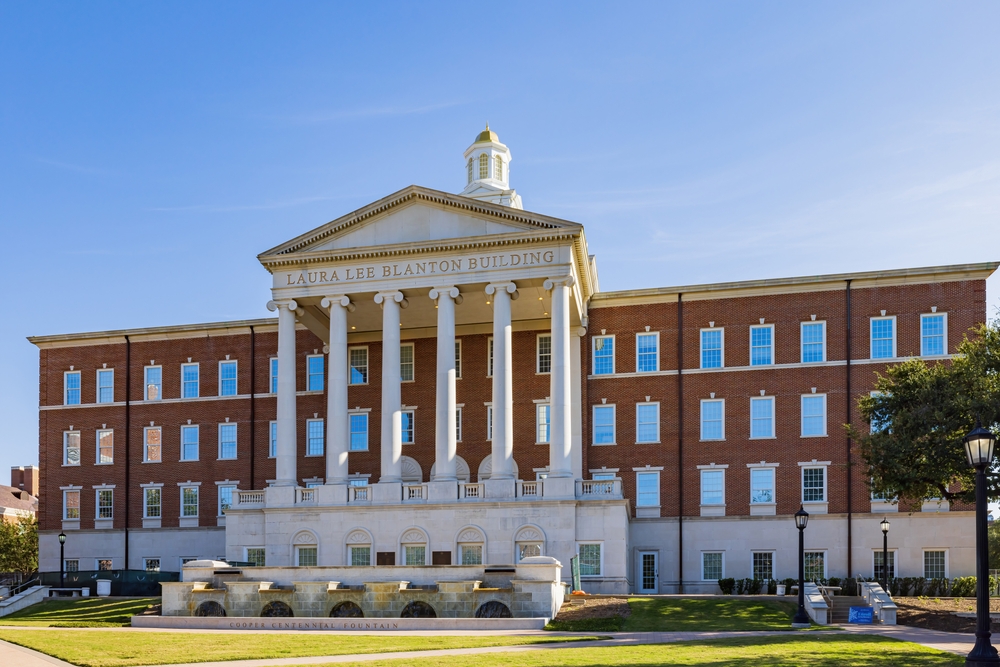
Southern Methodist University’s Department of Counseling offers a Master of Science in Counseling program that gives future counselors the clinical knowledge and skills to serve communities of all types. This CACREP-accredited program helps students develop culturally sensitive skills to strengthen individuals and families in their pursuit of psychological growth and mental well-being.
The department strives to prepare students with clinical expertise and promotes critical thinking in a learning environment that fosters personal growth. The program values each person’s uniqueness within their social and cultural contexts.
Students build their professional skills through several learning approaches in the M.S. in Counseling program. They learn through classroom instruction, role-playing exercises, and direct observation of licensed counselors. They also gain valuable hands-on experience through internships and practica. The program teaches knowledge that forms the foundations of counseling practice—from education and psychology to human development, sociology, learning theory, and social change.
Skills development is the substance of SMU’s counseling experience. Students become skilled at therapeutic and assessment techniques while learning about legal and clinical considerations practitioners need. Regular practice with feedback and strategic adjustments plays a vital role in the learning process.
Program graduates can pursue these licensure paths:
- Licensed Marriage and Family Therapists (LMFT)
- Licensed Professional Counselors (LPC)
- Certified School Counselors
- Licensed Chemical Dependency Counselors (LCDC) with additional coursework
SMU shows steadfast dedication to equal opportunity. The university welcomes everyone regardless of race, color, religion, national origin, sex, age, disability, genetic information, or veteran status. This dedication includes sexual orientation, gender identity and expression.
The school creates counselors who make real differences in their clients’ lives. One program graduate shares: “The SMU Counseling program is one of a kind with professors that are truly invested in your growth. The supervision and support given by professors is genuine and extends well beyond your graduation date”.
What counseling programs does Southern Methodist University offer?
SMU’s Master of Science in Counseling program gives students multiple specialization paths that match different career goals. The program holds accreditation from the Council for Accreditation of Counseling and Related Educational Programs (CACREP), which ensures students receive high-quality education meeting national standards.
Students can pursue three main professional paths: Licensed Professional Counselor (LPC), Licensed Marriage and Family Therapist (LMFT), and Certified School Counselor. The program also lets students take extra courses to become a Licensed Chemical Dependency Counselor (LCDC).
SMU’s counseling curriculum has several specialized concentration options:
- Addiction Elective Concentration: Fulfills educational requirements for licensure as a Licensed Chemical Dependency Counselor in Texas
- Child & Adolescent Elective Concentration: Courses may fulfill educational requirements for Registered Play Therapist certification
- The Art & Science of Trauma Counseling Concentration: Focuses on expressive, somatic, and experiential methods among interpersonal neurobiology
- LGBTQ+ Affirmative Therapy Concentration: Covers advocacy across the lifespan and specialized work with transgender and gender non-conforming clients
The Clinical Mental Health Counseling Specialty helps students get ready for licensure as Licensed Professional Counselors in Texas. This track combines the standard core curriculum with a clinical training sequence that all students take.
Students learn about education, psychology, human development, sociology, learning theory, and social change. They build therapeutic skills through classroom instruction, role-playing, watching licensed professionals, and hands-on practice during internships and practica.
Students become skilled at counseling through repeated practice with strategic feedback. The program requires at least 300 clinical hours in practicum/internship settings. Most students complete their degree in about three calendar years.
The program’s strong reputation shows in the high demand for its students in internship and counseling positions. Graduates get the knowledge and skills they just need to pass the National Counselor Examination (NCE).
The program builds student expertise in clinical skills, multicultural counseling, ethical practice, and assessment for diagnosis and intervention planning.
Internships/Practicum at SMU
Clinical training serves is essential to SMU’s Master of Science in Counseling program. Students gain hands-on experience through supervised clinical work in a structured sequence. The experiential component includes three consecutive courses: Practicum, Internship I, and Internship II, which account for 9 credit hours of the 63-credit degree program.
Students must complete at least 36 credit hours of required core coursework before starting their clinical sequence. This preparation will give a solid theoretical foundation before working with real clients. The MOCCe Exam must be passed before starting Practicum, as stated in the Counseling Program Student Handbook.
The clinical sequence combines on-site and off-site supervised training with clients. Students can apply course content directly and build valuable professional contacts that benefit their future careers.
Students need to complete at least 300 clinical hours during their practicum/internship experience. Repeated practice and role-playing with feedback help students become skilled at counseling during this year-long journey.
Students can choose from these enrollment patterns during the clinical sequence:
- Full-time enrollment (9 credit hours per semester):
- Practicum plus two additional courses
- Internship I plus two additional courses
- Internship II plus two additional courses
- Part-time enrollment (6 credit hours per semester):
- Practicum plus one additional course
- Internship I plus one additional course
- Internship II plus one additional course
Students who plan to take only clinical courses (3 credit hours per semester) should complete all 54 credit hours of core and elective coursework before starting the sequence. Careful planning becomes crucial, especially when relying on financial aid that requires enrollment in at least 6 credit hours per semester.
SMU has built a strong reputation in counseling. Organizations frequently request SMU students for internships and counseling positions. This high demand reflects the quality preparation through classroom instruction, role-playing, and observation of licensed counselors before clinical placements.
Successful completion of coursework and clinical training will equip you to help individuals and families achieve psychological growth and mental well-being. You’ll graduate with complete theoretical knowledge and practical clinical experience.
What sets Southern Methodist University apart?
SMU leads counseling education with its CACREP-accredited Master of Science in Counseling program ranking in the top 20% nationally and #1 in Dallas. This top ranking will give graduates an edge in the job market and help them make a real difference in their clients’ lives.
The program’s excellent 11:1 student-to-faculty ratio lets students get individual attention and mentoring throughout their learning. SMU counseling students often receive internship and counseling position offers before graduation.
Dallas’s vibrant metropolitan setting serves as an extended classroom for SMU students. The city hosts over 20 Fortune 500 company headquarters and thousands of internship opportunities. This prime location creates unmatched networking chances that boost career prospects.
The program’s strength shows in the university’s low undergraduate student loan default rate of 1.1%, compared to the national rate of 10.1%. This suggests graduates succeed in their professional lives. SMU also ranked #10 in the 2023 Schools for a Master’s Highly Focused on Mental Health Counseling in the Southwest Region.
SMU’s counseling program creates counselors with culturally sensitive knowledge and skills. These graduates can work effectively and ethically in schools, agencies, private practices, and mental health facilities. Cultural competence is what sets SMU counseling graduates apart in their field.
Next steps
SMU’s Master of Science in Counseling program stands out as a top choice for future counseling professionals. This CACREP-accredited program helps you build clinical knowledge and culturally sensitive skills needed in successful practice. You can choose from multiple specialization paths to become a Licensed Professional Counselor, Licensed Marriage and Family Therapist, or Certified School Counselor.
The program shines through its clinical training sequence. You’ll work with real clients in practicum and internships after finishing core coursework, all while getting valuable supervision. Your education combines classroom learning, role-playing, and watching licensed professionals at work to create a solid foundation.
SMU’s reputation and strategic collaborations make it special. The program ranks in the top 20% nationally and leads Dallas in counseling education. Students get personal attention with an 11:1 student-to-faculty ratio. Many students land great internship positions even before they graduate.
Dallas becomes part of your learning experience naturally. The city offers endless networking chances with major corporations and healthcare organizations. These professional connections will boost your career prospects substantially.
SMU prepares you to make real changes in people’s lives – whether you want to work in schools, agencies, private practices, or mental health facilities. The program’s focus on cultural competence and ethical practice will get you ready to help diverse populations effectively. When you think about your path to becoming a counseling professional, SMU offers a great investment in your future and your ability to shape the mental health world.