
Counseling Programs at Midwestern State University
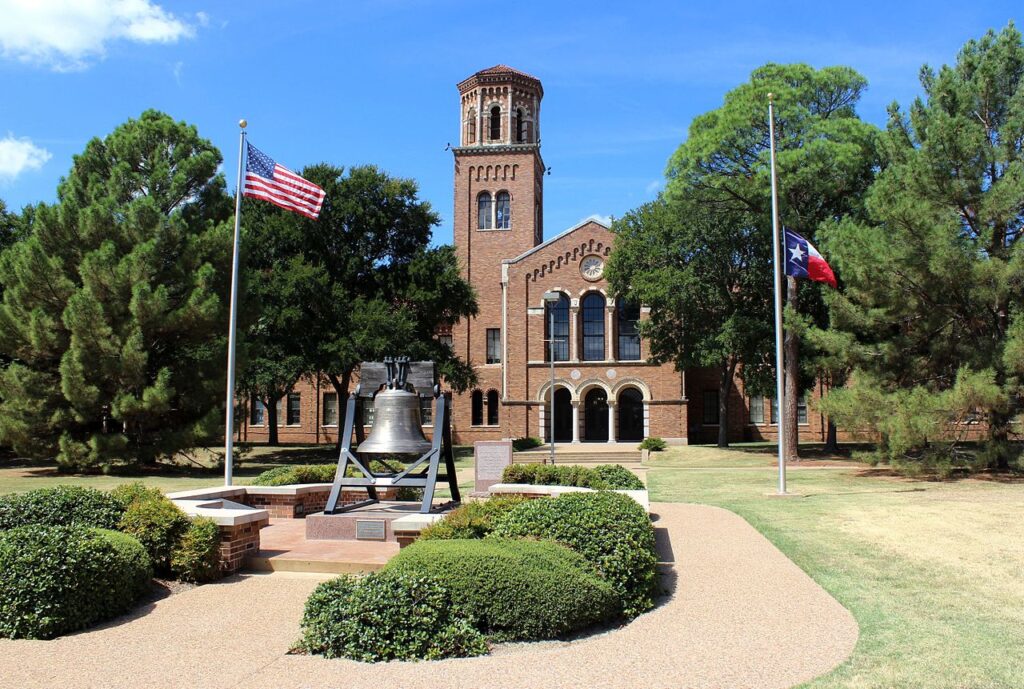
MSU Texas has a resilient counseling program that gives students practical skills for professional success. The Clinical Mental Health Counseling Program helps students with advanced research, technology, training, and supervision to become Licensed Professional Counselors (LPC). Students learn in a teaching-centered school environment where professors are always available to help.
Program faculty show steadfast dedication to developing counselors who are knowledgeable, ethical, competent, self-aware, and professionally mature. They also emphasize building a strong counselor identity and deepening their commitment to advocacy while respecting diverse populations and multiculturalism.
MSU’s master’s program in Clinical Mental Health has earned accreditation from the Council for Accreditation of Counseling and Related Educational Programs. Graduates complete the work to be done with coursework, training, and supervision to take the National Counselor Examination and apply for a Licensed Professional Counselor Associate License. Licensed professionals can work in settings of all types, including private practice.
The Master of Arts with a major in clinical mental health counseling requires 60 semester hours and prepares students for careers in public or private settings. Students qualify as clinical mental health counselors and gain skills to become fully functioning professionals who can work in various environments and fields as society evolves.
MSU Texas makes student well-being a priority through complete support services. Students get free 24/7 virtual health and well-being services through TimelyCare. These services include on-demand emotional support, health coaching, simple needs assistance, self-care content, and medical care options.
Building 16 (Old Counseling Center) houses the MSU Counseling Center, which helps students with emotional, psychological, developmental, and mental health issues. The center helps with depression, anxiety, stress, eating disorders, relationship issues, grief, anger management, and test anxiety. Students get referrals to appropriate departments or community agencies if the center can’t directly help with specific problems.
Applications get processed on a rolling basis. Fall admission deadlines are August 1st for domestic and May 15th for international students. Spring deadlines are December 1st and September 15th respectively. The program has about 56 graduate students with diverse backgrounds: 75% White or Caucasian, 12.5% Black or African American, 10.71% Hispanic/Latino, and 1.79% representing two or more races.
What counseling programs does Midwestern State University offer?
Midwestern State University offers four unique counseling programs that lead to advanced degrees. Each program prepares professionals to excel in different counseling environments and career paths.
Students can choose from these master’s degree options:
- Clinical Mental Health with School Counseling concentration helps you build a career in public school counseling. The 60-semester-hour program gives you the skills to counsel students, work with parents and administrators, connect schools with outside agencies, and lead classroom guidance activities.
- Clinical Mental Health Counseling helps create counselors ready for agency work or private practice. The Council for Accreditation of Counseling and Related Educational Programs accredits this 60-semester-hour program. Graduates can take the National Counselor Examination and pursue a Licensed Professional Counselor Associate License.
- Human Resource Development serves professionals who want to work in business, industry, or government sectors. The program focuses on employee assistance, training, and development programs.
- Human Resource Development with Training and Development concentration helps students create and implement training programs. This option suits professionals heading toward careers in business, industry, government, and other organizations.
MSU also features a Master of Arts in Clinical/Counseling Psychology program. Students learn psychological theory, assessment, and intervention techniques. This face-to-face program opens doors to becoming both a Licensed Psychological Associate and Licensed Professional Counselor, which maximizes career flexibility at the master’s level.
Beginning Fall 2026, Clinical Mental Health Counseling students must attend two mandatory on-campus intensives. These two-day, face-to-face sessions evaluate students’ professional dispositions and counseling skills. Students complete their first intensive during their initial fall semester and the second one the following fall.
Texas professional counselor licensure requires a 3,000-hour internship and successful completion of a state exam. School counselor certification in Texas needs an approved master’s degree, two years of teaching experience, passing the state-mandated TExES test, and a school-based internship.
MSU’s counseling programs create professionals who demonstrate knowledge, ethics, competence, and self-awareness. Our graduates advocate for and respect clients from all backgrounds.
Internships/Practicum at MSU Texas
MSU Texas counseling programs offer students valuable hands-on experience through structured practicum and internship opportunities. Students can bridge the gap between classroom theory and ground counseling practice with these experiences.
The counseling curriculum culminates in practicum courses. Clinical Mental Health Counseling students must complete 100 supervised clock hours in their practicum (COUN 5293). This includes 40 direct and 60 indirect hours. Students transition from coursework knowledge into clinical practice at their chosen site during this capstone experience. The enrollment requirements include 33 hours of coursework, with COUN 5253, COUN 5303, and COUN 5283 as prerequisites.
School Counseling students complete their practicum (COUN 5813) with 160 clock hours under experienced supervision. Students must earn a grade of B or better in both practicum courses to advance to internship courses.
The internship phase follows the practicum completion. Texas requires a 3000-hour internship and a state examination to license professional counselors. Graduate Internship courses (COUN 6043 and COUN 6053) help build clinical experience, and students need to maintain a B or better in these courses.
Starting Fall 2026, students will need to participate in in-person, synchronous experiences to demonstrate their counseling skills and professional dispositions. The program requires two mandatory in-person intensives on campus – one during their first fall semester and another in their second fall semester. This applies to students admitted from Fall 2026 onward.
Students gain many benefits from these practical experiences. They can apply classroom knowledge in ground settings, develop professional skills, strengthen their resumes, expand their networks, and explore career options. Students with internship experience earn an average of $12,117 more in starting salary compared to those without. The success rate is remarkable – 70% of interns receive job offers from their internship companies.
MSU Texas equips counseling students with both theoretical knowledge and practical expertise to help them succeed in their professional roles.
What sets Midwestern State University apart?
The Clinical Mental Health program at Midwestern State University is 65 years old and earned national accreditation from the Council for Accreditation of Counseling and Related Educational Programs in 2020. This achievement marks one of the most important milestones in its history. Students can now access quality education through hybrid and online formats.
MSU has earned exceptional rankings nationwide. The psychology master’s program stands second nationwide on the Most Affordable Small Colleges for a Master’s Degree in Psychology list. The Health Services Administration master’s program also achieved third place in nationwide university rankings with a score of 96.95. MSU stands out as the only Texas university in the top 15.
They focused on teaching excellence with professors who are always available to help students. The faculty helps students develop knowledge, ethics, competence, self-awareness, and professional maturity.
Student feedback proves MSU’s quality – 94% of students surveyed said their degree improved their career prospects, and 93% would recommend the school to others. Students appreciate the smaller class sizes that make customized interactions with instructors possible.
MSU managed to keep its affordable pricing while delivering quality education. The university once ranked as Texas’s most affordable public university, making advanced counseling education available without sacrificing excellence.
Next steps
Midwestern State University shines as a top choice for future counseling professionals. Their CACREP-accredited programs give you multiple paths that match your career goals in clinical mental health, school counseling, or human resource development. Students get the perfect mix of theory and hands-on experience through well-laid-out practicums and internships. This helps them become competent professionals ready for their licensure exams.
MSU ranks impressively nationwide, especially when you have their position as the second most affordable small college for psychology master’s programs. Small class sizes create the perfect learning environment where faculty members stay available and devoted to helping students succeed. Their teaching-focused approach builds not just knowledgeable practitioners but ethical, self-aware counselors who champion diversity and advocacy.
A remarkable 94% student satisfaction rate proves the program’s quality and career preparation value. MSU Texas offers a 65-year legacy of educational excellence that won’t break the bank. The university prepares you to excel as a counseling professional in a variety of settings and gives you the skills to adapt in our changing society.