
Counseling Programs offered at Lamar University
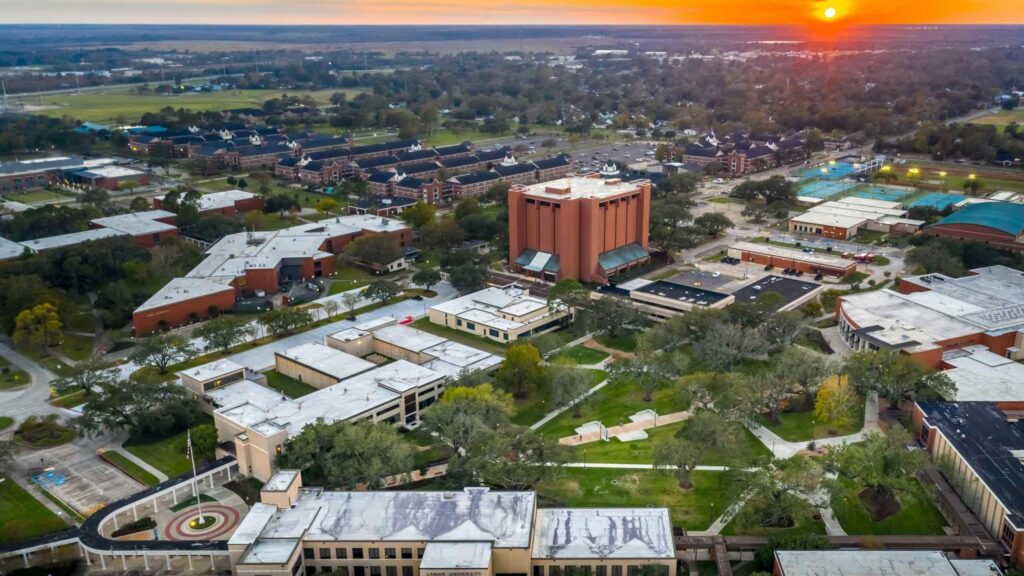
Lamar University’s Department of Counseling is essential to training skilled counselors in Texas. The state has more than 1,200 school districts and 9,200 school campuses that need qualified professionals. The school helps develop passionate, skilled educators, counselors, and mental health clinicians who thrive in their chosen fields.
Students can choose from two 60-hour graduate degrees with three specialized concentrations. The detailed programs include:
- Ed. in Counseling and Development with a concentration in Marriage, Couple and Family Counseling
- Ed. in Counseling and Development with a concentration in Professional School Counseling
- Ed. in Clinical Mental Health Counseling
Award-winning faculty members bring their expertise as researchers and clinicians to the classroom. These professors stay available and supportive throughout your academic trip, and they provide mentorship for professional leadership and research opportunities.
The online Master of Education programs use an accelerated five-week course format that helps you balance work, family, and education. This setup maintains educational quality and career relevance while offering flexibility.
Each concentration prepares you for specific career paths and meets crucial credential requirements. The Professional School Counseling concentration equips school counselors to address academic, career, personal, and social needs of culturally diverse students in elementary, middle, and secondary schools. The Marriage, Couple and Family Counseling concentration uses a systems approach to work with children, adolescents, families, and community-school partnerships.
The counseling programs have regional accreditation from the Council for the Accreditation of Educator Preparation, though they are not CACREP-accredited. All three programs fulfill the educational coursework requirements for the Licensed Professional Counselor (LPC) in Texas.
The department uses high-impact educational practices. These include community-based learning through advocacy, early internship experiences, integrated technology skills, and learning communities that focus on equity and access. Lamar University’s programs equip counselors to make vital contributions in schools and communities throughout Texas and beyond.
What counseling programs does Lamar University offer?
Lamar University’s Department of Counseling provides detailed graduate-level programs that prepare counselors to work in professional settings. Students complete 60 credit hours of specialized training across different counseling areas.
The counseling department offers two distinct master’s degree paths. The M.Ed. in Clinical Mental Health Counseling equips you to deliver clinical counseling services in professional environments like clinics, hospitals, school-based mental health programs, and private practice. This program suits you if you have a bachelor’s degree and want to become a clinical mental health counselor. The curriculum combines multiple therapy courses with one practicum and two internships to earn clinical experience credits.
The M.Ed. in Counseling and Development comes with two concentration options:
- Marriage, Couple and Family Counseling – This concentration uses a systems viewpoint to help you work with children, adolescents, families, and community school partnerships. The coursework meets the requirements to become a Licensed Professional Counselor or Licensed Marriage, Couple and Family Therapist in Texas and other states. Students take one five-week hybrid course that needs a five-day residency.
- Professional School Counseling – This path leads to certification as a School Counselor and licensure as a professional counselor. Texas residents must have two years of full-time teaching experience and access to a Texas Education Agency-approved campus for fieldwork. Students learn the Coordinated School Health Model and the American School Counseling Association National Model.
Lamar also offers a Certificate in Mental Health Counseling. This 18-hour bridge program helps counselors who have a 48-hour master’s degree complete the 60-hour requirement for Licensed Professional Counselor licensure in Texas.
The Council for the Accreditation of Educator Preparation regionally accredits all counseling programs. While not CACREP-accredited, Texas doesn’t require this for the mentioned credentials. Working professionals benefit from the online programs’ accelerated five-week course format.
Graduates can use various counseling strategies to help clients in many settings while achieving both academic and practical requirements for professional licensure.
Internships/Practicum at Lamar
Lamar University’s counseling programs feature vital field experiences that let students apply theoretical knowledge in ground settings. Students can expect different structures and requirements based on their chosen concentration.
The field experience courses in each counseling program at Lamar run for 15 weeks in fall or spring semesters, or 10 weeks during summer. Each specialization has unique requirements:
- School Counseling requires one practicum (CNDV 5390) and one internship (CNDV 5394)
- Marriage, Couples and Family Counseling requires one practicum (CNDV 5393) and two internship courses (CNDV 5394×2)
- Clinical Mental Health Counseling requires one practicum (CNDV 5392) and two internship courses (CNDV 5394×2)
Practicum courses typically need 40 hours of direct counseling service plus 60-110 indirect hours. Students receive comprehensive support through:
- Weekly one-hour individual site supervision throughout the field experience
- Weekly university group supervision (minimum one hour)
- Formal observation overseen by a university field supervisor
The internship courses build on this foundation with increased requirements of 120 hours of direct service and 180 indirect hours per course. Students continue receiving supervision from both site and university supervisors, along with two formal observations.
Site selection needs careful thought. Texas school counseling certification candidates must complete their practicum and internship at a Texas Education Agency-approved campus. Marriage and Family Therapy licensure seekers need sites that specifically serve families and couples. Clinical Mental Health Counseling students often work at community counseling agencies, hospitals, or addiction treatment centers.
The faculty encourages students to research potential sites early in their program. Students must submit their chosen site information for approval before starting practicum or internship. Professional ethical codes guide all supervised practice during these experiences.
These professional opportunities prepare students thoroughly for their counseling careers while meeting state licensure requirements.
What sets Lamar University apart?
Lamar University’s counseling programs stand out with qualities that make them unique in the field. The university ranks as the 3rd most affordable college nationwide for online master’s in school counseling degrees. Students who aspire to become counselors will find this combination of affordability and quality education a worthwhile investment.
The counseling programs show strong and steady exam performance. The counselor exam pass rates prove this success over five consecutive years:
- 2018-2019: 96% pass rate
- 2017-2018: 96% pass rate
- 2016-2017: 96% pass rate
- 2015-2016: 96% pass rate
- 2014-2015: 94% pass rate
The program has managed to keep a 98% pass rate on the school counseling state certification exam. These results validate how well Lamar’s educational approach works.
The Association for Advancing Quality in Educator Preparation (AAQEP) recognized Lamar University’s excellence by awarding its Principal and School Counselor Educator Preparation Programs a full seven-year accreditation. AAQEP concluded after a thorough review that “program completers are prepared to work effectively as professional educators and adapt to different contexts”.
Lamar University gives students flexibility to meet state licensure requirements. The university’s regional accreditation through the Southern Association of Colleges and Schools (SACS) meets licensing requirements in Texas and many other states. State boards accept this accreditation under the Council on Higher Education Association (CHEA).
Faculty members bring valuable real-life experience to their classrooms. Dr. Belinda Lopez has spent over 30 years in public education systems, including 10 years as a professional school counselor. Dr. Rebecca Frels has secured major grants, including $1.90 million to start a mentoring program that provides training in crisis services.
These strengths help Lamar University prepare counselors who thrive in a variety of professional settings.
Next steps
Lamar University offers a complete education with ground application for aspiring counselors. Students can choose from three specialized concentrations to develop their skills. Experienced faculty members bring decades of real-life expertise to the classroom. The flexible five-week course format helps students balance their personal commitments while pursuing professional goals.
The programs have proven their worth consistently. Students achieved a 96% average pass rate on counseling exams over five consecutive years. The school counseling certification exams saw an even higher 98% pass rate that verifies the quality of education. Lamar University ranks as the 3rd most affordable online master’s in school counseling nationally, making it a smart educational investment.
Field experiences are the heart of professional development at Lamar. Students complete a practicum with 40 hours of direct counseling and advance to internships with 120 direct service hours. These experiences prepare graduates for real-life challenges. They can serve people of all backgrounds across Texas and beyond.
The three programs meet Texas’s educational requirements for Licensed Professional Counselor credentials through regional accreditation, though they aren’t CACREP-accredited. Students can pursue their counseling careers knowing their degree meets state licensing standards.
Lamar University enables students to become skilled counselors who make meaningful differences in schools, mental health facilities, and family counseling settings. Academic rigor combines with practical experience and supportive faculty. This creates an environment where counseling professionals grow into tomorrow’s leaders.