
8 Best Masters Programs in Counseling in Texas: 2026 Program Guide
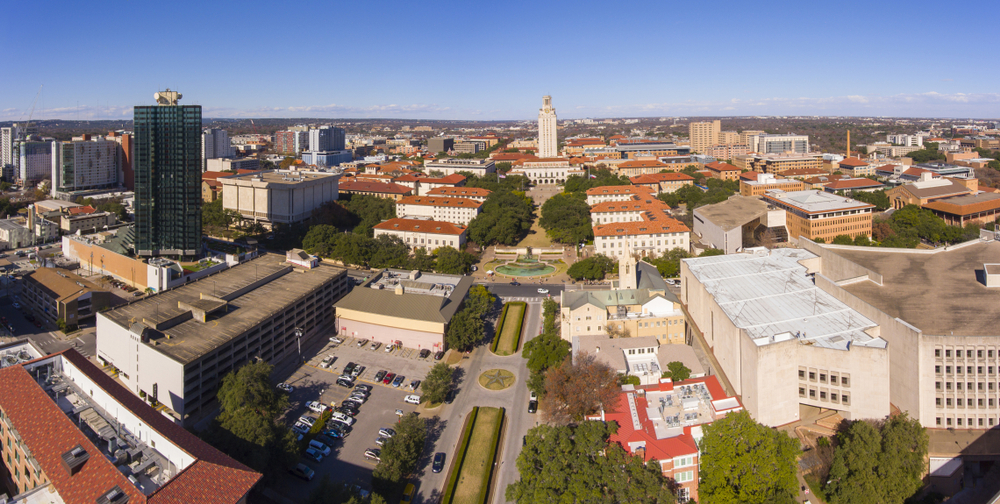
Ready to advance your career with a Master’s in Counseling from Texas? The future looks bright for mental health counseling professionals. The Bureau of Labor Statistics projects a remarkable 17% growth in this field through 2034, which significantly outpaces other careers.
Texas counseling programs provide excellent academic preparation through various career paths. Students can work in schools, community organizations, or establish private practices. These CACREP-accredited degrees prepare graduates who want to become certified school counselors for grades K-12 or licensed professional counselors in Texas. The options are diverse and promising. The University of Texas at Austin features a top-ranked Counselor Education program, while UNT Dallas specializes in Clinical Mental Health Counseling. Let’s examine the 9 best programs that can launch your counseling career in the Lone Star State.
University of Texas at Austin – M.Ed. in Counselor Education
UT Austin’s M.Ed. in Counselor Education ranks among the best programs in the country. It is one of the top Masters programs in Counseling Texas and blends academic excellence with hands-on skills training.
Program Overview
The Counselor Education program at UT Austin helps students master psychology and counseling fundamentals. It meets the growing need for qualified counselors in schools and communities. Students learn evidence-based prevention and intervention methods to work in different academic settings. The program creates a learning environment that pushes the counseling field forward. It follows the American Counseling Association’s professional and ethical guidelines.
Accreditation and Licensure
The program isn’t CACREP-accredited but lines up with national counselor training standards. Graduates can become licensed professional counselors in Texas. Students who plan to work in other states should check their state’s requirements before joining. The National Board for Certified Counselors offers a complete list of licensing boards. Students learn to recognize their cultural background and biases. They also learn ways to tackle unfairness in educational settings.
Program Format and Duration
Students typically finish the M.Ed. in Counselor Education in two years of full-time study. This includes one full summer semester with six to nine credit hours. The program breaks down into:
- Core Counseling Coursework – 42 credit hours covering key topics like counseling theories, ethics, assessment, and intervention techniques
- Supporting Coursework – 9 credit hours including seminar in higher education plus two additional courses
- Practica and Internship – 9 credit hours of supervised practical experience
Full-time enrollment works best since the packed schedule might clash with a full-time job. Many students still manage to work part-time while studying.
Admission Requirements
Students must submit applications by January 10 for fall semester. You’ll need:
- Bachelor’s degree from an accredited institution
- 0 minimum GPA, especially in your last two years of college
- Official transcripts from all colleges you attended
- Three recommendation letters from people who know your academic work
- Statement of purpose (1-3 pages) about your experiences and goals
The program doesn’t ask for GRE scores. New students can start in Fall and Summer semesters.
Faculty and Mentorship
Faculty members at UT Austin create a supportive mentoring environment. The university uses proven mentorship methods across campus. Good mentoring helps students advance their careers. Faculty mentors regularly meet students to talk about research, career plans, and academic progress. These mentor-student talks stay private, letting students speak freely.
Career Opportunities
The program’s graduates choose different career paths:
- Working in higher education as academic advisers and career counselors
- Starting doctoral studies in counseling psychology or related fields
- Working as Licensed Professional Counselors
The counseling field keeps growing, and graduates find jobs quickly. Students gain skills to help people in schools and communities of all sizes. This sets them up for success in this expanding field.
University of North Texas at Dallas – M.S. in Clinical Mental Health Counseling
UNT Dallas runs a challenging M.S. in Clinical Mental Health Counseling that sets itself apart from other Texas counseling programs with its detailed curriculum and flexible learning choices. The program earned recognition for preparing future mental health professionals through quality education.
Program Overview
The 60-hour Clinical Mental Health Counseling track at UNT Dallas gives students specialized knowledge and clinical skills they need in therapeutic settings of all types. Students learn to work in mental health centers, private counseling agencies, substance abuse treatment facilities, family counseling centers, and private practice. They can pick an area to become skilled at working with specific groups, which makes them more versatile professionals. To name just one example, students who want to treat children can take play therapy electives and do their internship with a play therapy focus.
Accreditation and Licensure
The UNT Dallas Clinical Mental Health Counseling program has full accreditation from the Council for Accreditation of Counseling and Related Educational Programs (CACREP) through October 31, 2026. The program first got this prestigious accreditation in 2017, showing its steadfast dedication to high academic standards. Students who graduate meet all educational requirements for the Texas State License in Professional Counseling. But to get fully licensed, they must pass the National Counselor Exam and complete 3,000 clock hours of supervised clinical experience after getting their master’s degree.
Program Format and Duration
Students experience a hybrid learning model that blends face-to-face, partially online, and fully online courses. They attend all in-person classes at the UNT Dallas campus or at service learning/internship sites. This setup offers flexibility while keeping important in-person learning elements – students can’t complete all their coursework remotely. Full-time students usually finish in 2.5 years, while part-time students need about 3.5 years. Students must complete supervised practicum (minimum 100 counseling hours) and internship experiences (minimum 600 hours) under professional supervision near the end of their studies.
Admission Requirements
Students must submit Spring applications by October 1, and Fall applications by May 1. The admission process needs:
- Online application through org with $50 application fee
- Official transcripts with minimum 2.8 GPA overall (3.0 for last 60 semester hours preferred)
- Three recommendation forms
- Personal essay
- On-campus interview with additional on-site writing assessment
Faculty and Mentorship
Dr. Samuel Bore, Chair of Counseling and Associate Professor, guides the program with expertise in school counseling, group work, and family counseling. The distinguished faculty includes:
- Jennifer Baggerly (Professor, LPC-S, RPT-S)
- Yu-fen Lin (Professor, LPC-S)
- Deborah Ferguson Cain (Lecturer, LPC-S)
- Joy Oliveira (Assistant Professor, LPC Associate)
- Erica Pouncie (LPC-S, LCDC, NCC, CBT)
Faculty members bring ground expertise to their teaching through active research and practice.
Career Opportunities
Program graduates build careers in counseling of all types. Yes, it is common to find alumni working in mental health centers, private counseling agencies, substance abuse treatment facilities, centers for counseling older adults, child protective services, family counseling centers, pastoral counseling settings, and private practice. Many students also specialize further in areas like play therapy or trauma counseling. The program’s CACREP accreditation gives graduates an edge, as some employers, like the Veterans Administration, look specifically for counselors from CACREP-accredited programs.
Texas Woman’s University – M.S. in Counseling & Development
Texas Woman’s University ranks among Texas’s best counseling degrees with their complete M.S. in Counseling & Development program. Students can prepare for careers in various counseling specialties through academic training and real-world clinical experience at their Denton campus.
Program Overview
TWU’s M.S. in Counseling & Development program lets you choose from three tracks that match your career goals: Clinical Mental Health Counseling, School Counseling, and a dual track combining both specializations. Each path offers coursework that meets the specific needs of these counseling environments. Students learn everything in individual and group counseling, assessment techniques, multicultural counseling, and crisis intervention. The program focuses on evidence-based practices and ethical service delivery for people from all backgrounds.
Accreditation and Licensure
The program’s CACREP accreditation (Council for Accreditation of Counseling and Related Educational Programs) ensures it meets national standards. This credential makes the licensure process easier in many states. Students who complete the Clinical Mental Health track can become Licensed Professional Counselors (LPC) in Texas. The School Counseling track leads to school counselor certification. Students who choose the dual track can earn both credentials and enjoy more career options.
Program Format and Duration
Clinical Mental Health track students need 60 credit hours, School Counseling track requires 51, and dual specialization takes 69 hours. Classes run on weekday evenings, which works well for professionals. Full-time students can finish in 2-3 years, while part-time students take longer. The program requires 700 clinical hours – 100 in practicum and 600 in internships.
Admission Requirements
Program applicants must have:
- Bachelor’s degree from an accredited institution
- Minimum 3.0 GPA on the last 60 semester credit hours
- Official transcripts from all previous schools
- Three professional references
- Statement of purpose outlining counseling career goals
- Resume/CV showing relevant experience
- Successful faculty interview
Students can start in fall, spring, or summer, with deadlines typically two months before each semester begins.
Faculty and Mentorship
Doctoral-level faculty with extensive clinical experience teach in the Counseling & Development program. They conduct active research and often cooperate with students on projects, presentations, and publications. Faculty advisors help guide students through their requirements and professional growth opportunities.
Career Opportunities
TWU’s graduates find success in many different roles. Clinical Mental Health Counseling alumni work in community centers, hospitals, treatment facilities, private practice, and corporate settings. School Counseling graduates work in K-12 schools, while dual-track graduates can choose from both paths. Many students find jobs before graduation thanks to connections made during their internships.
Texas State University – M.A. in Professional Counseling
Texas State University’s M.A. in Professional Counseling program is well-known for its comprehensive clinical sequence and multiple concentration options. Students get a perfect mix of theoretical knowledge and practical experience. The program really prepares graduates to meet Texas communities’ growing mental health needs through rigorous academic training and hands-on clinical practice.
Program Overview
Texas State’s Professional Counseling program features three CACREP-accredited concentrations: Clinical Mental Health Counseling (CMHC), Marriage, Couple and Family Counseling (MCFC), and School Counseling (SC). Each 60-credit hour track pairs internationally known faculty with access to two state-of-the-art community counseling clinics where students help under-served populations. The curriculum emphasizes core tenets like diversity, advanced ethics, professional development, and self-awareness. The program aims to develop professional counselors who are “involved and committed to a process of intentional growth promoting pro-social autonomy, lifelong learning and ethical behavior” in an ever-changing, multi-modal learning environment.
Accreditation and Licensure
The program holds full accreditation from the Council for Accreditation of Counseling and Related Educational Programs (CACREP). This prestigious recognition will give graduates the assurance they meet national counseling education standards. Texas State proudly maintains a 100% certification exam pass rate. Graduates meet Texas state’s academic requirements for licensure and certification. Students can pursue credentials as Licensed Professional Counselors, Licensed Marriage and Family Therapists, or Certified School Counselors based on their concentration.
Program Format and Duration
Full-time students typically complete the M.A. degree in about three years, including coursework, practicum, and internships. The program’s unique clinical sequence runs in consecutive semesters: COUN 5689 (Clinical Practicum) followed by two semesters of COUN 5389 (Site-based Internship). Students need a full academic year commitment when enrolled across fall, spring, and summer terms. Full-time status means nine credit hours (three courses) during fall and spring semesters, while summer requires six credit hours. Most classes happen face-to-face, with some hybrid and online options available depending on the semester.
Admission Requirements
The Professional Counseling program accepts applications until February 15 for Fall and Summer admission, and October 1 for Spring enrollment. Students must meet with their assigned faculty advisor in their first semester to create a customized course of study. Students should complete their graduate degree within six years since older coursework might expire.
Faculty and Mentorship
Texas State’s faculty members bring research interests in a variety of disciplines to the classroom. They present at national and international conferences and publish in their field’s top venues. Their expertise covers specialty areas like play therapy, animal-assisted counseling, mindfulness, group counseling, addictions, domestic violence, sandtray therapy, clinical supervision, women and gender studies, child parent relationship therapy, and advanced ethics. Students often describe the faculty as “the guiding light of the program,” noting how “the high expectations and authentic relationships they develop among the student body makes all the difference”.
Career Opportunities
Texas and beyond offer graduates many employment opportunities. The Texas Department of State Health Services reports that all but one of these counties qualify as Mental Health Professional Shortage Areas, suggesting a huge need for qualified counselors. National employment projections for 2021-2031 look exceptional: 22% growth for substance abuse, behavioral disorder, and mental health counselors (much faster than average), 14% for marriage and family therapists (also much faster than average), and 10% for school and career counselors (faster than average). The Institute for Play Therapy provides specialized training for graduates who want to become Registered Play Therapists or get certified in animal-assisted counseling.
University of Houston – M.Ed. in Counseling
The University of Houston’s M.Ed. in Counseling program ranks among Texas’s best counseling degrees. The program excels at turning students into skilled professionals by combining theory with hands-on experience.
Program Overview
UH’s M.Ed. in Counseling program creates licensed professional counselors with strong clinical mental health expertise. Students learn essential counseling skills and techniques while understanding their role in diverse communities. The program aims for excellence in professional development, theoretical knowledge, personal growth, and cultural awareness. Right now, it’s working toward national accreditation while providing rich educational experiences that build professional and personal growth.
Accreditation and Licensure
The program meets all requirements for Licensed Professional Counselors (LPC) in Texas. After graduation, students can pursue LPC licensure by completing supervised hours and passing licensing exams. The program’s move toward national accreditation will boost its reputation among Texas counseling programs.
Program Format and Duration
Students complete this 60 credit hour program (20 classes) in three years. The curriculum features three field experience courses along with one practicum and two internships. New students start only in fall terms. Classes run at both UH Main campus and Sugar Land campus in face-to-face, hybrid, and online formats. This makes it one of the most available Masters programs in Counseling Texas.
Admission Requirements
The College of Education looks at several factors:
- 6 minimum cumulative undergraduate GPA (overall or last 60 credit hours)
- 0 minimum GPA for graduate coursework
- Letters of recommendation
- Statement of intent
- Proof of English proficiency
Students come from all undergraduate backgrounds with no specific course prerequisites needed. Applications must be complete with all materials before the deadline.
Faculty and Mentorship
Faculty members guide students through skill development, clinical practice, and professional growth. UH strongly supports faculty mentoring. Research shows that students who feel supported by someone at their university attend more classes, join research projects, and push through challenges.
Career Opportunities
Graduates work in various settings like:
- K-12 schools
- Community colleges and universities
- Mental health care facilities
- Community agencies
- Probation services
- Employee assistance programs
The program readies students for clinical mental health careers in hospitals, mental health agencies, and private practice. A UH M.Ed. in Counseling degree opens doors in Texas’s expanding mental health field.
Sam Houston State University – M.A. in Clinical Mental Health Counseling
Sam Houston State University’s M.A. in Clinical Mental Health Counseling stands among Texas’s top counseling degrees. The historic campus serves over 21,000 students across eight colleges and provides complete training for future counselors.
Program Overview
SHSU’s Clinical Mental Health Counseling program gives you the academic preparation you need to become a Licensed Professional Counselor (LPC) in Texas. Students learn to treat clients from all backgrounds in different settings – from those dealing with daily life challenges to people facing serious mental health issues. The program features specialized tracks in play therapy and marriage, couples, and family counseling for students who want focused expertise. SHSU’s Trauma Center improves the program by advancing trauma-related research, training, and consultation.
Accreditation and Licensure
The program has full accreditation from the Council for Accreditation of Counseling and Related Educational Programs (CACREP). This ensures it meets strict national standards. Graduates qualify to apply for Licensed Professional Counselor-Associate (LPC-Associate) status in Texas. They can work under supervision while completing their full licensure requirements.
Program Format and Duration
This 60-credit hour program blends online and in-person courses at both the Huntsville campus and The Woodlands Center. Students get flexibility through the hybrid format while still participating in vital face-to-face skill development sessions. Experienced faculty provide hands-on training that prepares students well for clinical practice.
Admission Requirements
The program accepts applications for fall and spring through a complete review process that includes:
- Graduate application and fee
- Official undergraduate transcript
- Two reference forms (one from employer/professor; one from professional acquaintance)
- Personal statement addressing specific prompts
- GRE scores (waived with 3.0+ undergraduate GPA or 3.5+ in previous graduate coursework)
After the initial review, top candidates move forward to an interview phase.
Faculty and Mentorship
Faculty members bring rich clinical experience as practitioners, researchers, and teachers. SHSU values mentorship deeply, shown by their Distinguished Faculty Mentor Award that recognizes exceptional commitment to student growth. Faculty members work together with students on research projects, presentations, and professional development opportunities.
Career Opportunities
Graduates build rewarding careers counseling in:
- Community mental health centers
- Psychiatric facilities
- Private practice settings
- Community agencies
Students with specialized certifications in play therapy or marriage and family counseling can focus on specific clinical populations. This opens up more career opportunities in this growing field.
Texas A&M University – M.Ed. in Educational Psychology (Counseling Emphasis)
Texas A&M University stands out among counseling programs in Texas with its Master’s in Educational Psychology with a Counseling Emphasis. This program belongs to the Learning Sciences Division within the Department of Educational Psychology and the School of Education and Human Development.
Program Overview
The M.Ed. in Educational Psychology program features four areas of specialization. School Counseling serves as a primary focus area for students pursuing counseling careers. Students gain a deeper understanding of learning, human development, and simple research methods through the curriculum. This program differs from traditional counseling programs by emphasizing how development, intelligence, and creativity influence learning processes and emotional development. Students learn to apply theory to real counseling situations. The program aims to promote human development and advance educational improvements.
Accreditation and Licensure
The program prepares students specifically for certification as school counselors in Texas. Students must complete their practicum and field placement in a TEA accredited or TEA approved school to qualify for certification. The program does not prepare students for state licensure as a professional counselor (LPC). Students from other states must complete their supervised internships in TEA accredited schools within Texas.
Program Format and Duration
Students can complete the School Counseling emphasis entirely online through asynchronous and synchronous formats. The program requires an intensive supervised two-semester internship experience with 400 on-site hours of counseling activities and weekly one-hour supervision. Distance learners benefit from no residency requirements. Students should expect program costs between $25,000-$30,000, including tuition and fees.
Admission Requirements
Spring admission applications are due by October 15, while summer and fall applications must be submitted by March 22. The faculty admissions committees evaluate professional references, prior experiences, test scores, and career goals thoroughly. Selected finalists must participate in faculty interviews. The committee’s assessment of the applicant’s professional promise determines formal admission.
Faculty and Mentorship
Dr. Jeffrey Liew leads the department with nearly 20 years of faculty experience. Dr. Linda G. Castillo brings specialized expertise in women’s mental health and Solution Focused Counseling as a professor in both the counseling psychology doctoral and school counseling master’s programs. Students can participate in faculty-led grant projects, including a $6.3 million Department of Education award.
Career Opportunities
Graduates work in various roles including:
- School counselors in K-12 settings
- Behavior coaches
- Educational administrators
- General and special educators
- Therapists
The program’s educational psychology focus provides a unique point of view compared to other Masters programs in Counseling Texas. This approach particularly benefits professionals committed to school-based counseling careers.
Lamar University – M.Ed. in Clinical Mental Health Counseling
Lamar University’s M.Ed. in Clinical Mental Health Counseling prepares students to practice clinical counseling in a variety of settings. Students complete 60 credit hours that blend detailed academic preparation with hands-on practical experiences.
Program Overview
The program gives you the specialized skills needed to provide clinical counseling services in professional environments like clinics, hospitals, school-based mental health programs, and private practice. Students develop counseling expertise to work with individuals who face mental and emotional challenges.
Accreditation and Licensure
The program is not CACREP-accredited but meets Texas’s educational coursework requirements to become a Licensed Professional Counselor. Regional accreditation comes through the Southern Association of Colleges and Schools (SACS).
Program Format and Duration
Students complete their coursework online with required field experiences. The program has two five-day residency experiences, a 15-week practicum, and a 15-week internship. Core coursework consists of 20 courses that total 60 credit hours.
Admission Requirements
Students must submit an ApplyTexas application with a one-time $25 fee. Candidates need to provide official transcripts and complete a department application that includes structured essay questions and a professional reference. The online programs are not available to international students.
Faculty and Mentorship
The program’s faculty leadership includes Dr. Rebecca Frels, Associate Dean who received a $1.90 million grant for mentoring programs in crisis services. Dr. Mehmet Akkurt serves as a Master Trainer for Mental Health Facilitator training. Dr. Joy Snook brings expertise in Clinical Mental Health Counseling.
Career Opportunities
Graduates can work as clinical therapists who help individuals with drug and alcohol dependency, mental health issues, or marriage and family concerns. The program’s alumni pursue careers in school environments or clinical settings where they provide counseling services to diverse populations.
Next Steps
A rewarding career in mental health services starts with selecting the right counseling program. This piece explores nine outstanding Masters programs in Counseling Texas. Each program brings its own strengths and specializations to the table.
These options include CACREP-accredited programs like UNT Dallas and Texas State University among other prominent institutions such as UT Austin and Texas A&M. The programs stand out with their distinct advantages through specialized tracks in clinical mental health, marriage and family counseling, play therapy, and school counseling.
Your career goals should shape your program choice. Students passionate about school counseling might find their home at Texas A&M’s Educational Psychology program. Those interested in clinical practice could discover their ideal match at Sam Houston State or UNT Dallas. Many programs now offer evening, hybrid, or online options that make advanced education available whatever your work schedule.
CACREP accreditation plays a vital role in program selection. These accredited options create efficient licensure pathways that gain recognition across state lines. Notwithstanding that, all listed programs prepare graduates to meet Texas licensure or certification requirements, though specializations have different criteria.
Texas’s counseling field shows remarkable growth. Mental health counseling careers should expand 17% through 2034. This strong outlook means graduates can expect strong job prospects in a variety of settings – from schools and community agencies to hospitals and private practice.
Beginning a journey to become a counseling professional takes commitment. These Texas programs provide educational foundations, clinical experiences, and mentorship that lead to success. Your next move involves evaluating each program’s admission requirements, application deadlines, and fit with your professional goals.
A full picture of these outstanding options will help you launch an achieving counseling career that serves growing mental health needs across the Lone Star State.
Other Counseling Program Lists
Masters in School Counseling
Online Masters in Counseling Programs
Youth Counseling Degrees
Part Time Programs
Programs by Location
Master’s Programs in Austin
Master’s Programs in Dallas-Fort Worth
Master’s Programs in Houston
Master’s Programs in San Antonio
Master’s Programs in North Texas
Master’s Programs in East Texas
Master’s Programs in West Texas